
Is Body Sculpting Safe? What You Need to Know Before You Try It

Body Sculpting
Is body sculpting safe is one of the most common questions people ask before considering any body contouring treatment. With growing interest in non surgical fat reduction, it is natural to wonder whether these procedures are truly safe and worth it.
Many people already follow a workout routine, attend fitness sessions, or explore options like what is body sculpt class to improve their physique. But when results slow down, body sculpting becomes an appealing option. Still, safety should always come first.
This guide explains how safe modern body sculpting treatments are, how they work, what risks to consider, and how to make informed decisions before trying them.
Understanding the Safety of Modern Body Sculpting Treatments
Is body sculpting safe in today’s environment? In most cases, yes, especially when performed using approved technologies and by trained professionals.
Modern body sculpting techniques are designed to target fat cells without damaging surrounding tissues. These treatments focus on controlled fat reduction and gradual body transformation rather than aggressive changes.
Key safety factors include:
Use of FDA approved body sculpting treatments
Non invasive or minimally invasive methods
Controlled application of energy such as cooling or heat
Minimal impact on metabolism and surrounding body tissues
When done correctly, body contouring is considered a safe body shaping procedure for many individuals.
However, safety also depends on the provider, technology, and your personal health condition.
How Non-Invasive Technologies Work Without Surgery
To understand if body sculpting is safe, it helps to look at how non-invasive treatments work.
Most modern procedures rely on targeted technologies such as:
Cryolipolysis or fat freezing safety methods
Laser based fat reduction
Radiofrequency energy
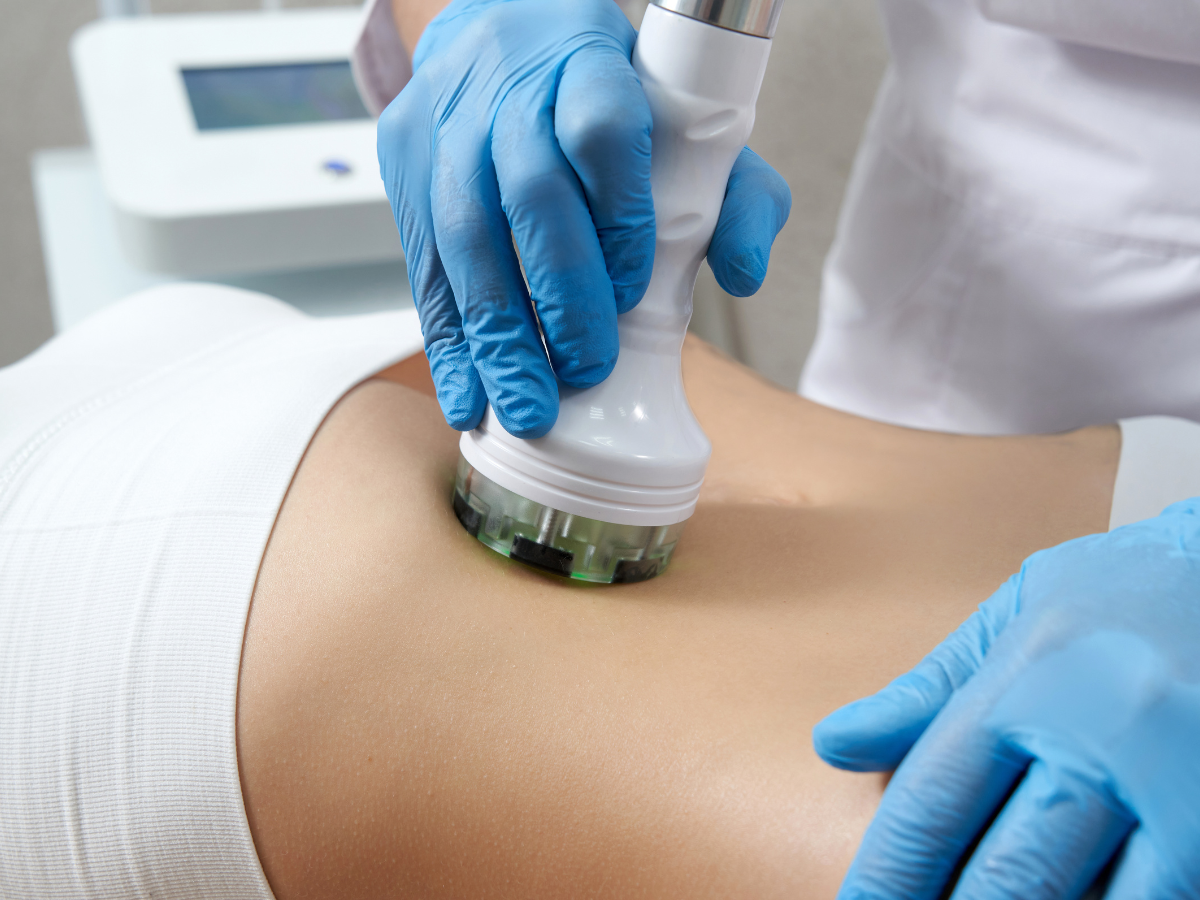
Ultrasound technology
These approaches work by:
Breaking down fat cells
Allowing the body to process them naturally
Gradually reducing fat layers
Unlike surgical procedures, there are no incisions or anesthesia involved.
This is why non-invasive fat reduction safety is often considered higher compared to traditional surgical options. People can return to normal activities quickly without major disruption.
Still, results are gradual and require patience.
Common Side Effects and What to Expect After Treatment
Even though body sculpting is safe for most people, it is important to understand possible side effects.
Most side effects are mild and temporary.
Common experiences include:
Redness or swelling in treated areas
Mild discomfort or tingling
Temporary numbness
Slight bruising
These effects usually fade within a few days or weeks depending on the treatment.
After the session, you can expect:
No major downtime for non surgical options
Gradual fat reduction over several weeks
Improved contour as the body processes fat cells
In rare cases, complications can occur, especially if the procedure is not done correctly. That is why choosing a qualified provider is essential.
Tips to Ensure a Safe and Effective Sculpting Experience
If you are asking if body sculpting is safe, the answer depends on how carefully you approach the process.
Here are practical steps to improve safety:
Choose certified and experienced professionals
Verify if the treatment is FDA approved
Discuss your medical history before starting
Follow all pre and post treatment guidelines
Avoid unrealistic expectations
You should also continue healthy habits such as strength training and cardio exercises to support your results.
If you are combining treatments with fitness, understanding what is body sculpt exercise can help you align your workouts with your goals.
Safety is not just about the procedure. It is also about how you maintain your body afterward.
How to Choose a Trusted Provider for Better Results
A major factor in answering body sculpting safely is the provider you choose.
Not all clinics offer the same level of expertise or technology.
When selecting a provider, consider:
Experience with body contouring treatments
Clear explanation of procedures and risks
Use of updated and approved technology
Transparent pricing and treatment plans
Ask questions like:
What results can I realistically expect?
How many sessions will I need?
What side effects should I prepare for?
A reliable provider will always prioritize your safety over quick body sculpting results.
Who Should Avoid Body Sculpting?
While many people can safely undergo treatment, body sculpting is not for everyone.
You may need to avoid or delay treatment if you:
Have certain medical conditions
Are pregnant
Have unrealistic expectations about results
Are looking for significant weight loss
Body sculpting is best suited for individuals close to their target weight who want to refine specific areas.
If your goal is a complete transformation, focusing on consistent habits like how to sculpt your body in a month through fitness and lifestyle changes may be more effective initially.
Comparing Safety: Non-Surgical vs Surgical Options
Is body sculpting safe compared to surgical procedures?
Non surgical treatments:
Lower risk
Minimal downtime
Gradual results
Surgical procedures:
Higher risk due to anesthesia and incisions
Longer recovery time
Immediate visible changes
For many people, non-invasive fat reduction safety makes it a preferred choice.
However, surgical options may still be appropriate for specific cases under professional supervision.
Conclusion
So, is body sculpting safe? For most people, the answer is yes when it is done using approved methods and by qualified professionals.
Body sculpting offers a way to target stubborn fat and improve body contour without surgery. It works best when combined with a healthy lifestyle, regular workouts, and realistic expectations.
The key is to approach it carefully. Understand the process, choose the right provider, and stay consistent with your fitness routine.
When done responsibly, body sculpting can be a safe and effective step toward achieving your desired shape, while helping you explore your workout options and find an approach that supports your goals.
Frequent Ask Questions:
1. Is body sculpting considered a safe procedure?
Yes, most non-invasive body sculpting treatments are considered safe when performed by trained professionals using approved technologies.
2. Are there any risks or side effects with body sculpting?
Common side effects include mild swelling, redness, and temporary numbness. Serious complications are rare.
3. How can I make sure my body sculpting treatment is safe?
Choose a qualified provider, ensure the treatment is FDA approved, and follow all pre and post care instructions.
4. Is body sculpting safer than surgical fat removal?
Yes, non surgical body sculpting generally carries lower risks and requires little to no downtime compared to surgical procedures.
5. Can everyone safely undergo body sculpting treatments?
Not everyone is an ideal candidate. People with certain medical conditions or those seeking major weight loss should consult a professional first.