
Why Structured Yoga Classes Get Better Results Than YouTube Yoga
Typing "yoga for beginners" into YouTube feels like the easiest possible starting point, and for a lot of people it is exactly where their practice begins. There is nothing wrong with that instinct. The truth worth knowing upfront is that yoga classes tend to produce faster, more consistent progress than following along with a video, mainly because of what a screen simply cannot replicate. This article looks honestly at what YouTube yoga does well, where it quietly falls short, and why in-person classes tend to close that gap so effectively.
What YouTube Yoga Actually Gets Right
Free, on-demand videos remove almost every barrier to getting started. There is no cost, no commute, and no need to commit to a specific time. For someone testing the waters or squeezing in a short session between other commitments, that convenience is genuinely valuable, and it has introduced plenty of people to yoga who might never have walked into a studio otherwise.
Videos also offer variety at a scale no single studio schedule can match, letting you sample dozens of styles and instructors before deciding what you like.
The Hidden Cost of Practicing Alone With a Screen
The Algorithm Decides What You Practice, Not Your Body
A video was recorded for a general audience, not for the specific tightness in your hips or the shoulder that has been bothering you all week. It cannot adjust in real time to what your body actually needs on a given day, which limits how targeted your progress can be.
There Is No One to Catch a Form Mistake
This is the biggest gap, and it matters more than people expect. A video cannot see if your knee is collapsing inward during a lunge or if your lower back is rounding in a forward fold. Left uncorrected, small form issues repeated over months can stall progress or quietly turn into strain.
Consistency Is Much Easier to Abandon
Skipping a video takes no more effort than closing a tab. Without a scheduled time or anyone expecting you to show up, many people find their home practice fades within a few weeks, even when they started with real motivation.
The Physical Experience Cannot Be Fully Recreated
For anyone specifically drawn to hot yoga, a video simply cannot deliver the heat that changes what your body can do in a pose. Without that heat, stretches stay shallower and the whole practice feels different than what it is meant to be.
Why In-Person Yoga Classes Close the Gap
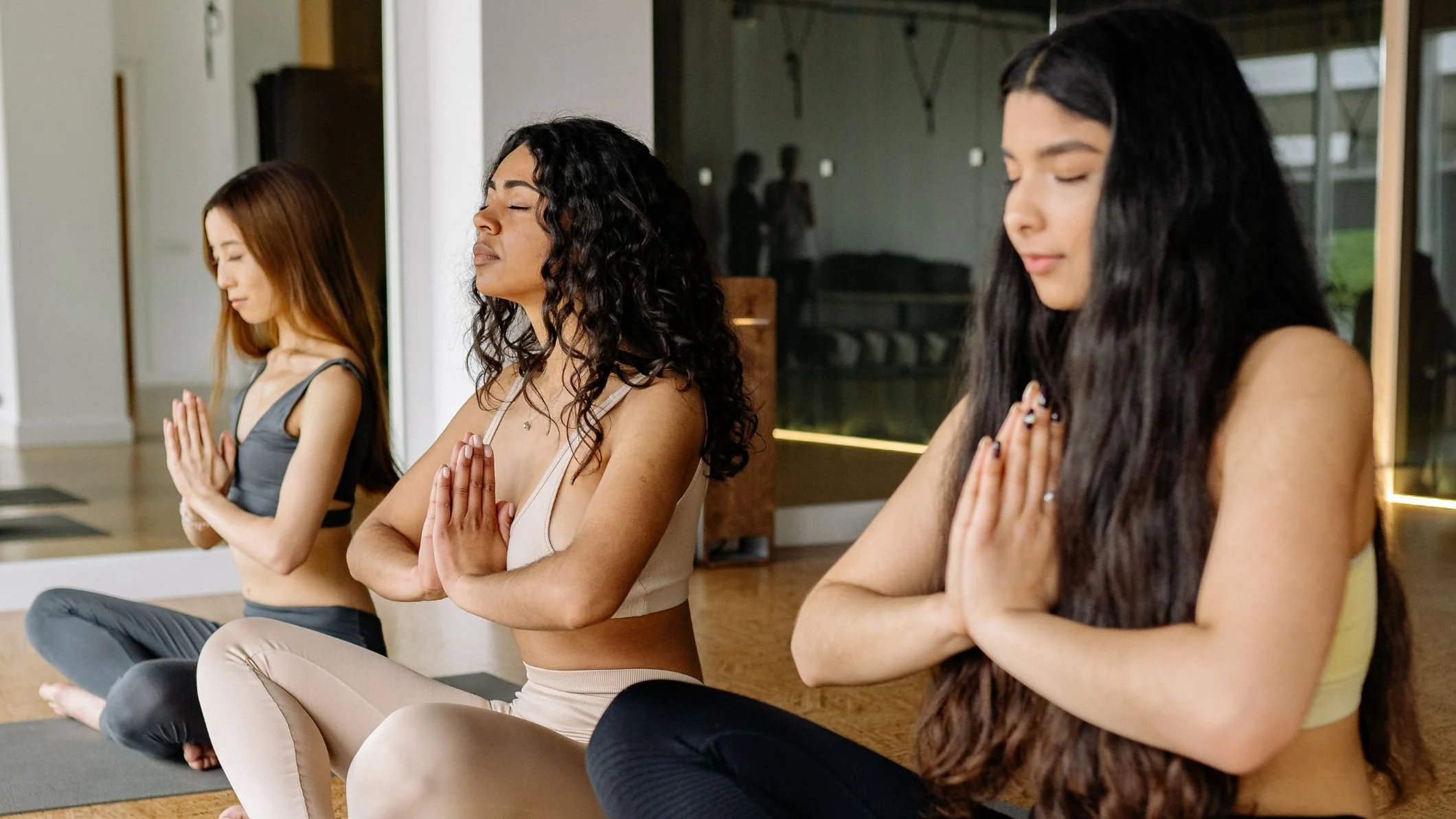
Real-Time Correction Changes the Trajectory of Your Practice
An instructor watching the room can adjust your alignment on the spot, preventing small mistakes from becoming ingrained habits that take much longer to unlearn later.
A Scheduled Class Builds Accountability a Video Never Will
Showing up at a set time creates a level of commitment that an always-available video rarely matches. Many students find they simply attend more consistently once a class is on their calendar rather than an option they can put off indefinitely.
Group Energy Pushes You Further Than Practicing Alone
Moving through a sequence alongside other people naturally encourages you to hold a pose a little longer or push a little further, without ever feeling like pressure from an instructor.
The Right Room Delivers the Physical Experience You Are Actually Looking For
A properly heated studio allows for the deeper stretching, increased circulation, and heavier sweat that a home setup cannot replicate, which matters most for anyone specifically seeking that style of practice.
Pointers for Getting the Most Out of Either Option
Use videos to explore styles and build basic familiarity before committing to a specific studio schedule
Prioritize in-person classes when learning new poses, so an instructor can correct your form early on
Keep a consistent class schedule for accountability rather than relying on motivation alone
Save the more physically demanding heated practice for the studio, since it is genuinely difficult to recreate at home
Give yourself a few weeks in a structured class before comparing results to what a video alone produced
Finding the Right Fit for Your Goals
If your only goal is a quick stretch on a busy day, a video can absolutely help. If your goal is building real, lasting flexibility, strength, and a habit that sticks, structured yoga classes consistently produce faster, more reliable results for most people. Take a look at thefull class schedule to see how easily a set time slot can fit into your week.
Final Thoughts
YouTube yoga has its place, especially for exploring styles or squeezing in a short session on a packed day. But when it comes to real, lasting progress, yoga classes offer something a screen never will: live correction, built-in accountability, and an environment designed specifically for the results you are after.
Ready to feel the difference in person?Visit True Hot Yoga and experience what guided, structured practice can do for you.
Frequently Asked Questions
1. Is it a waste of time to start with YouTube yoga before joining a studio?
Not at all. It can be a great low-pressure way to explore different styles before committing to a specific class schedule.
2. Why does having an instructor matter so much for beginners specifically?
Beginners are most likely to develop form habits early on, and an instructor can correct those habits before they become harder to unlearn later.
3. Can I get the same heat benefits from a hot yoga video at home?
It is very difficult to safely recreate studio-level heat at home, which limits the deeper stretching benefits a heated room provides.
4. How much faster is progress in a structured class compared to following videos?
Results vary by person, but consistent attendance and real-time feedback in a class setting generally speed up progress compared to practicing alone.
5. Should I stop using yoga videos completely once I join a studio?
Not necessarily. Many students keep videos as a supplement for shorter home sessions while relying on classes for structure and form correction.