
Body Sculpting vs. Body Contouring: Understanding the Path to Your Ideal Physique
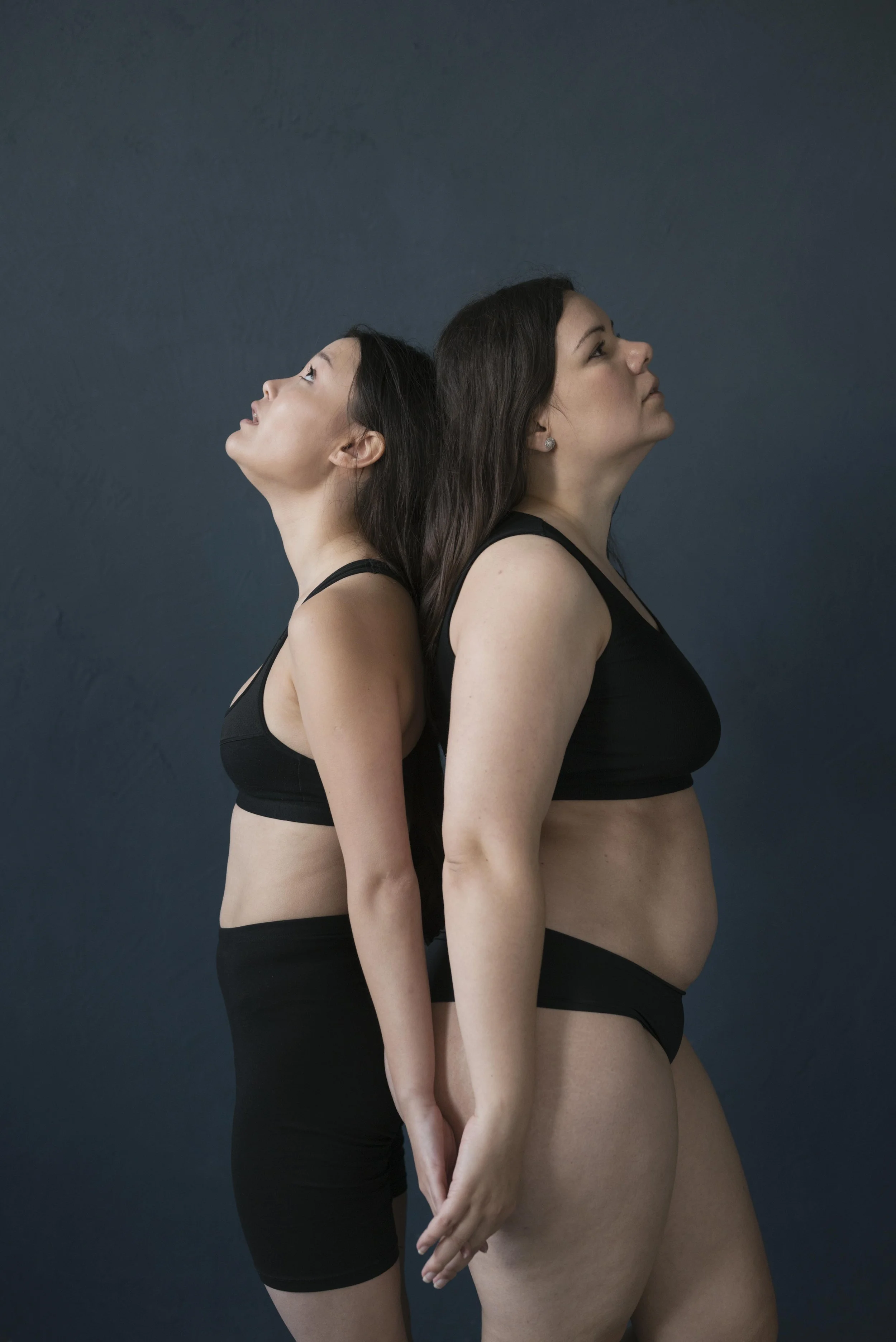
Body Sculpt
When you look in the mirror after months of hard work, you might notice stubborn areas that just will not budge. This is where the world of aesthetic enhancements comes in. Many people find themselves caught between two popular terms.
Understanding the nuance between these methods is essential for anyone looking to refine their silhouette. While they are often used interchangeably, they serve distinct purposes in the realm of cosmetic procedures and physical transformation.
Breaking Down the Basics: What Exactly is Body Sculpting?
Body sculpting is a broad term that typically focuses on the reduction of stubborn fat and the enhancement of muscle definition. This approach is often preferred by individuals who are already close to their goal weight but want to address specific pockets of fat. For those exploring Body Sculpting in DC Ranch, these treatments can provide a targeted approach to refining areas that remain resistant to diet and exercise.
Most modern sculpting techniques are non-invasive fat treatments that use cooling, heating, or ultrasound energy. These methods trigger lipolysis, a process where fat cells are broken down and naturally eliminated by the body.
Sculpting is not a weight loss solution. Instead, it acts as a finishing touch. It helps in toning muscles and creating a more athletic appearance that diet and exercise alone might not achieve.
Defining the Scope: How Does Body Contouring Differ?
Body contouring is often a more comprehensive approach. While it includes fat reduction, it frequently involves skin tightening and the removal of excess tissue. This is a common path for those who have experienced significant weight loss.
Contouring focuses on the overall shape and "contour" of the body. It addresses issues like loose skin and sagging areas that sculpting cannot fix. It is about restructuring the frame to ensure the skin fits the new, smaller body properly.
In many cases, contouring involves surgical body contouring options. However, there are emerging non-surgical technologies that aim to provide similar, though less dramatic, results for minor skin laxity.
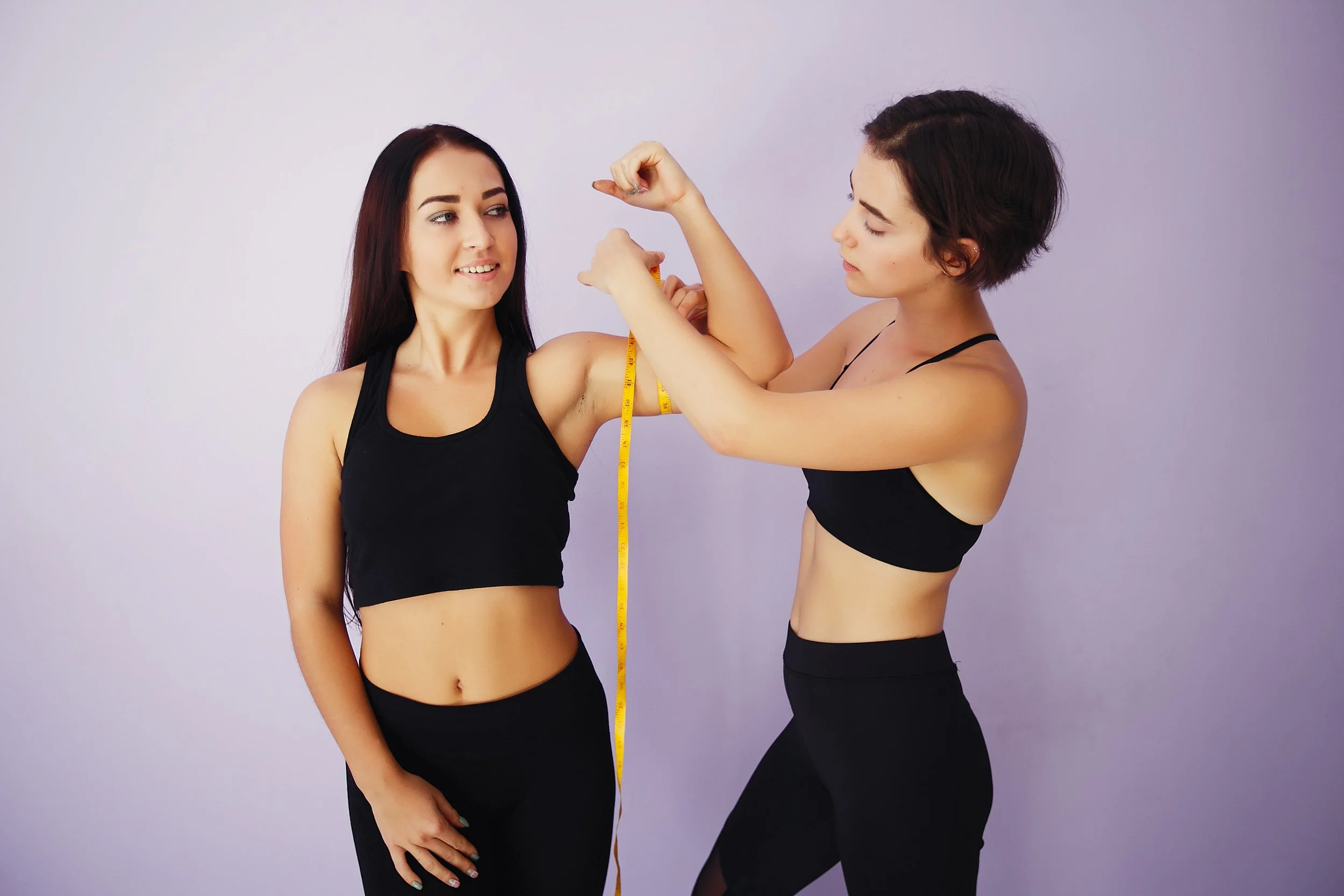
Body Sculpt
Non-Invasive Procedures vs. Surgical Interventions for Targeted Fat Reduction
The choice between these two often comes down to the level of intensity required. Non-surgical body sculpting has gained massive popularity because it requires zero downtime. You can literally head to a yoga session right after many of these treatments.
Methods like cryolipolysis freeze fat cells, while laser treatments use heat to disrupt them. These are excellent for targeted fat loss in areas like the flanks, abdomen, or thighs, making them a popular choice for individuals considering Anthem AZ body sculpting sessions. The results appear gradually over several weeks.
Surgical options, such as liposuction, fall under the contouring umbrella. These provide immediate and dramatic changes. However, they require anesthesia and a significant recovery period. Choosing the right one depends on your body goals and tolerance for downtime.
Analyzing the Core Benefits of Muscle Toning and Skin Tightening
A major difference lies in the end result. If your goal is to see more muscle definition, sculpting is your best bet. Some technologies even use electromagnetic energy to induce muscle contractions, mimicking the effects of thousands of crunches.
If your primary concern is dermal elasticity, contouring is the superior choice. As we age or lose weight, our skin loses its ability to snap back. Contouring treatments focus on collagen production to firm up the surface.
Combining these approaches can lead to a total body transformation. By removing the fat and then tightening the skin, you achieve a smooth, athletic look that highlights your natural hard work and dedication to fitness.
Ideal Candidates: Who Should Choose Sculpting over Contouring?
The ideal candidate for sculpting is someone with a healthy body mass index who struggles with localized fat. If you are active and eat well but have a "pooch" or "love handles," sculpting will provide that crisp, defined look.
Contouring candidates often deal with the aftermath of major life changes. This includes post-pregnancy changes or massive weight loss. If you can "pinch an inch" of skin rather than fat, you are likely looking for body contouring benefits.
It is important to have realistic expectations. Neither method replaces a healthy lifestyle. They are meant to complement your existing routine and provide an extra boost in areas that are genetically resistant to change.
The Role of Holistic Wellness and Hot Yoga in Maintaining Results
Maintaining the results of any aesthetic treatment requires a commitment to long-term health. This is where the synergy between clinical treatments and holistic practices becomes vital.
Engaging in High Intensity Exercise and mindful movement ensures that your metabolism remains active. Hot yoga, for instance, promotes lymphatic drainage, which is crucial for flushing out the fat cells destroyed during sculpting sessions.
The heat also aids in improving circulation and keeping the skin healthy. When you combine the precision of medical technology with the discipline of a regular practice, the results are much more sustainable and vibrant.
Many people choose toning and strengthening workouts to improve overall fitness.
Final Thoughts
Deciding between body sculpting and body contouring is a personal choice based on your unique physical anatomy and desired outcome. One focuses on the muscle and the fat, while the other prioritizes the shape and the skin.
Both paths lead to increased self-confidence and a body that feels more like home. Whether you want to sharpen your abs or firm up your silhouette, there is a modern solution designed for your specific needs.
Frequent Ask Questions:
Is body sculpting permanent?
Yes, once fat cells are destroyed via sculpting, they do not return. However, remaining fat cells can still expand if you gain weight, so a healthy lifestyle is key to keeping the results.
How many sessions of contouring do I need?
For non-invasive contouring, most people see the best results after three to six sessions. Surgical contouring is typically a one-time procedure, though follow-up care is necessary for the best healing process.
Does body sculpting hurt?
Most patients describe the sensation as a deep pull or intense cold. It is generally well tolerated and does not require pain medication or anesthesia, making it a convenient "lunch break" procedure.
Can body sculpt replace my regular gym workouts?
For many people, yes. A well-structured body sculpt class covers upper body, lower body, and core training in a single session. If your goal is overall body toning and improved strength, it functions as a complete standalone program.
How soon will I see results?
For sculpting, you might notice changes in as little as three weeks, with full results at three months. Contouring results vary, especially with surgery, where swelling reduction must occur first.