
Does Hot Yoga Damage Your Hair? Myths vs. Facts
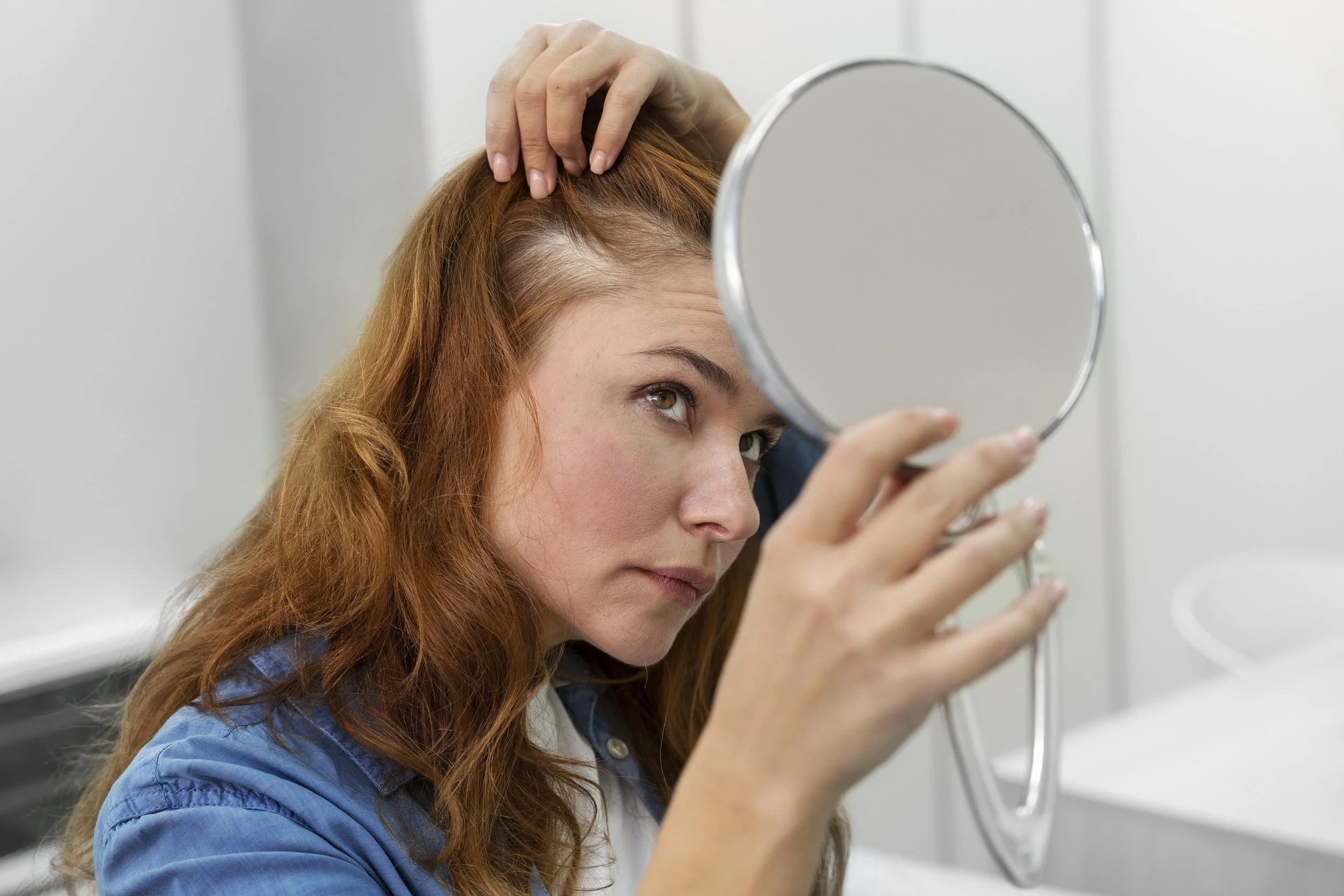
You walk out of the studio feeling like a new person. Your mind is clear, your muscles are loose, and your skin has that unmistakable detoxifying radiance. But as you catch your reflection, you notice your hair looks less like a shampoo commercial and more like a bird's nest.
It is a common concern among dedicated practitioners. We often wonder if the infrared heat or the excessive sweating might be stripping away our natural oils. Does the high temperature lead to brittle hair strands, or is it all just a misunderstanding?
Let’s dive into the science of scalp microenvironments and separate the myths from the facts. Understanding how heat affects your hair will help you maintain your follicle integrity while reaping the rewards of a consistent hot yoga practice.
The Myth of Heat Damage
One of the biggest fears is that a hot room acts like a giant blow dryer. People assume that thermal exposure in a yoga setting will lead to split ends and chronic dryness.
In reality, the heat in a professional studio is usually humid, not dry. Unlike the direct, concentrated heat of a flat iron, ambient studio heat is far less invasive. It does not reach the temperatures required to melt the keratin proteins in your hair.
Is Sweat Actually Bad for Your Scalp?
We often view sweat as "dirty," but it is mostly water and minerals. The myth is that sweat "suffocates" the hair. The fact is that sodium chloride found in sweat can be slightly drying if left to sit for days.
However, sweat also contains natural antimicrobial peptides. When you flow through a sequence, your sebaceous glands are stimulated. This can actually help distribute natural sebum across the scalp, providing a light, organic protective layer if managed correctly.
Improving Scalp Circulation for Growth
Here is a fact that often gets overlooked: hot yoga is fantastic for hair growth stimulation. The heat causes vasodilation, which is the widening of blood vessels.
This increased blood flow to the scalp delivers vital nutrients and oxygen to your hair follicles. A well-nourished follicle is more likely to produce a strong, healthy hair shaft. Instead of causing damage, your practice might be the secret to a thicker mane.
The Role of Moisture and Humidity
Professional studios focus on relative humidity levels. This moisture in the air acts as a barrier. While dry heat steals moisture from your body, a humid environment helps maintain internal hydration.
If you feel your hair is dry after class, it is usually because of the evaporative cooling process that happens once you step outside. To counter this, focusing on hydrostatic balance through water intake is more important than worrying about the air in the room.
Pre-Yoga Hair Protection Strategies
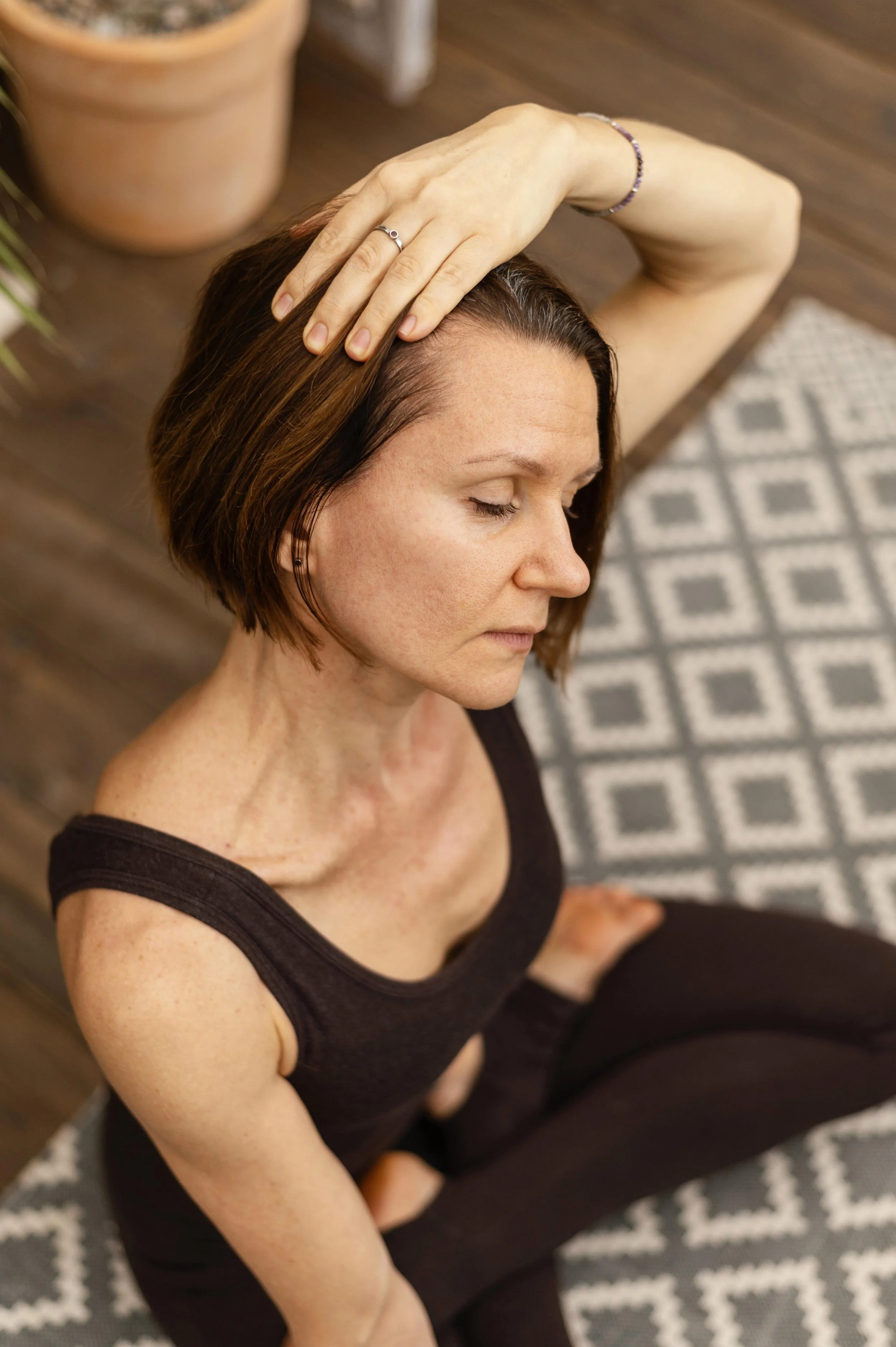
You do not have to choose between a vinyasa flow and your hair health. A few simple steps can provide a protective barrier against any potential salt buildup.
Applying a light leave-in conditioner or a tiny bit of coconut oil to your ends before class can seal the cuticle. This prevents the hair from absorbing too much salt from your sweat.
Tying your hair in a high bun or a loose braid reduces friction. Avoid using tight metal elastics that can cause mechanical breakage when the hair is damp and more elastic.
Post-Session Recovery Rituals
What you do after class matters more than the class itself. If you cannot wash your hair immediately, use a boar bristle brush to distribute the oils.
If you are a daily practitioner, you do not need to use harsh soaps every time. A co-wash or rinse is often enough to remove salt without stripping the acid mantle of your scalp.
For those who prioritize hair cuticle sealing, finishing your shower with a cool rinse helps close the hair scales. This locks in moisture and adds a natural shine that lasts all day.
Choosing a Studio That Cares
The environment where you practice plays a huge role. High-quality studios invest in advanced air filtration and climate control. This ensures that the heat is "clean" and the humidity is balanced.
At True Hot Yoga, we emphasize a holistic approach to wellness. Our True Hot Yoga Classes in DC Ranch are designed to detoxify the body while maintaining a comfortable atmosphere for your skin and hair. We believe that physical longevity includes every part of you, from your toes to your tresses.
Conclusion
Your hair is a reflection of your internal health. By staying hydrated and following a simple pre-flow routine, you can enjoy all the metabolic benefits of hot yoga without sacrificing your style.
Ready to experience the perfect balance of heat, health, and harmony? Explore Your yoga Options and discover why our community thrives on the mat. Whether you’re a beginner or an advanced yogi, our doors are open for you to find your flow, build strength, and feel your best.
Book your next class today and feel the difference of a truly professional hot yoga experience!
Frequent Ask Questions:
Does the salt in sweat cause hair breakage?
Salt can be drying if left on the hair for extended periods. However, it does not cause immediate breakage. Rinsing your hair after a heavy session easily mitigates any risk of salt-induced dehydration.
Should I wash my hair after every hot yoga class?
Not necessarily. Frequent washing with harsh sulfates can be more damaging than the yoga itself. Many practitioners find that a simple water rinse or using a natural dry shampoo keeps their hair healthy.
Can hot yoga help with hair loss?
By increasing systemic circulation and reducing cortisol levels, yoga can indirectly support hair retention. Stress is a major factor in hair thinning, and the parasympathetic nervous system activation during yoga helps combat this.
Is it okay to wear a headband during class?
Yes, wearing a moisture-wicking headband is a great idea. It absorbs sweat before it runs down the hair shaft and keeps your hair follicles clear of excess buildup during your practice.
Does colored hair fade faster in hot yoga?
High heat can sometimes cause color molecules to escape if the cuticle is open. To prevent this, use a UV protectant spray or a light hair oil before entering the heated room to keep the color locked in.