
What Is Bhakti Yoga? A Beginner-Friendly Guide to the Path of Devotion
What Is Bhakti Yoga? If you have explored different paths of yoga philosophy, you may have noticed that not every practice focuses on physical poses or intense movement. Some paths center on the heart. Bhakti Yoga is known as the yoga of love and surrender, a devotional yoga path that emphasizes connection, faith, and emotional awareness.
Many students who attend Yoga Classes North Glendale discover that yoga can be more than strength or flexibility training. Beyond the physical layer, there is a spiritual devotion practice that nurtures compassion and inner peace. That deeper dimension is where Bhakti Yoga begins.
In this guide, we will explore What Is Bhakti Yoga, its meaning, philosophy, traditions, and how beginners across the USA can start practicing this heart-centered yoga today.
1. The True Meaning Behind Bhakti Yoga
To understand What Is Bhakti Yoga, we need to look at its roots. The word Bhakti comes from the Sanskrit term meaning devotion or loving attachment. Bhakti Yoga is often described as the devotional yoga path, centered on surrender and unconditional love toward the divine.
The meaning of Bhakti Yoga is closely connected to ancient scriptures such as the Bhagavad Gita, which presents devotion as a powerful spiritual path. Another influential text, the Narada Bhakti Sutra, outlines the philosophy of love and devotion as the highest form of spiritual realization.
Unlike physical yoga styles that emphasize posture alignment, Bhakti Yoga focuses on emotional transformation. It teaches that through love, gratitude, and surrender, one can experience spiritual growth.
When people ask What Is Bhakti Yoga, the simplest explanation is this: it is the path of devotion that connects the heart to something greater than the individual self.
2. How the Practice of Devotion Shapes Mind and Heart
Bhakti Yoga is not only about ritual. It is about shaping the inner world. The practice of devotion cultivates humility, gratitude, and compassion.
This yoga of love and surrender works by softening the ego and encouraging trust. Through mantra chanting practice, prayer, or silent devotion, the mind gradually becomes calmer and more centered.
Many practitioners notice that regular devotion supports emotional healing. It reduces resentment and promotes forgiveness. In this way, Bhakti Yoga complements other approaches such as What Is Yoga Therapy, which focuses on emotional and physical balance.
The devotional yoga path strengthens emotional intelligence. It teaches practitioners to approach challenges with openness rather than resistance.

Raja Yoga Styles
3. Core Principles That Define Bhakti Practice
The core principles of Bhakti Yoga are simple yet powerful. They revolve around love, faith, surrender, and service.
Love as a foundation
Bhakti Yoga teaches unconditional love toward the divine or higher truth.
Surrender of ego
Letting go of rigid self identity to experience unity.
Service
Acts of kindness and compassion become spiritual devotion practice.
Remembrance
Maintaining awareness of the divine in daily life.
Chanting and prayer
Mantra chanting practice supports focus and emotional clarity.
Influential teachers such as Ramanuja and Chaitanya Mahaprabhu emphasized devotion as the highest expression of spirituality. Their teachings inspired movements such as Bhakti Marga, which continues to promote devotional practice worldwide.
Traditional yoga spirituality views Bhakti Yoga as one of the primary paths of yoga philosophy alongside Karma Yoga and Raja Yoga.
4. Different Forms of Bhakti Yoga You Should Know
Kirtan and chanting
Group singing of sacred mantras to cultivate joy and unity.
Silent prayer
Personal devotion practiced in quiet reflection.
Scripture study
Reading texts like the Bhagavad Gita to deepen understanding.
Service to others
Acts of compassion performed as offerings.
Meditative devotion
Using bhakti meditation methods to focus on gratitude and love.
Modern publications such as Yoga Journal often highlight how chanting and devotional rituals enhance emotional balance.
Bhakti Yoga can be practiced in community settings or individually. Some people incorporate it into studio sessions, while others integrate it into daily routines at home.
If you attend yoga classes North Scottsdale, you may notice elements of devotion woven into closing meditations or gratitude practices.
5. Bhakti Yoga vs Other Yoga Paths
Understanding What Is Bhakti Yoga becomes clearer when compared with other paths.
Raja Yoga emphasizes meditation and mind discipline.
Karma Yoga focuses on selfless action.
Hatha Yoga centers on physical postures and breath.
Bhakti Yoga prioritizes love and spiritual devotion practice.
While Raja Yoga trains concentration and Hatha Yoga develops strength, Bhakti Yoga develops emotional connection.
Some practitioners combine paths. For example, they may practice physical yoga in the studio while cultivating devotional awareness off the mat. This balanced approach reflects the broader scope of traditional yoga spirituality.
Bhakti Yoga is often described as the most heart-centered yoga because it shifts focus from achievement to surrender.
6. Simple Ways Beginners Can Start Today
What is Bhakti Yoga for someone completely new? It begins with intention rather than performance.
Start with gratitude
Take a few minutes daily to reflect on appreciation.
Practice mantra chanting
Choose a simple phrase and repeat it with awareness.
Read sacred texts
Explore passages from the Bhagavad Gita for inspiration.
Serve others
Perform small acts of kindness without expecting recognition.
Create a daily ritual
Light a candle, sit quietly, and reflect.
Bhakti Yoga for beginners does not require religious affiliation. It can be spiritual without being tied to a specific belief system.
The key is sincerity. Devotion grows through consistency and heartfelt engagement rather than complex ritual.
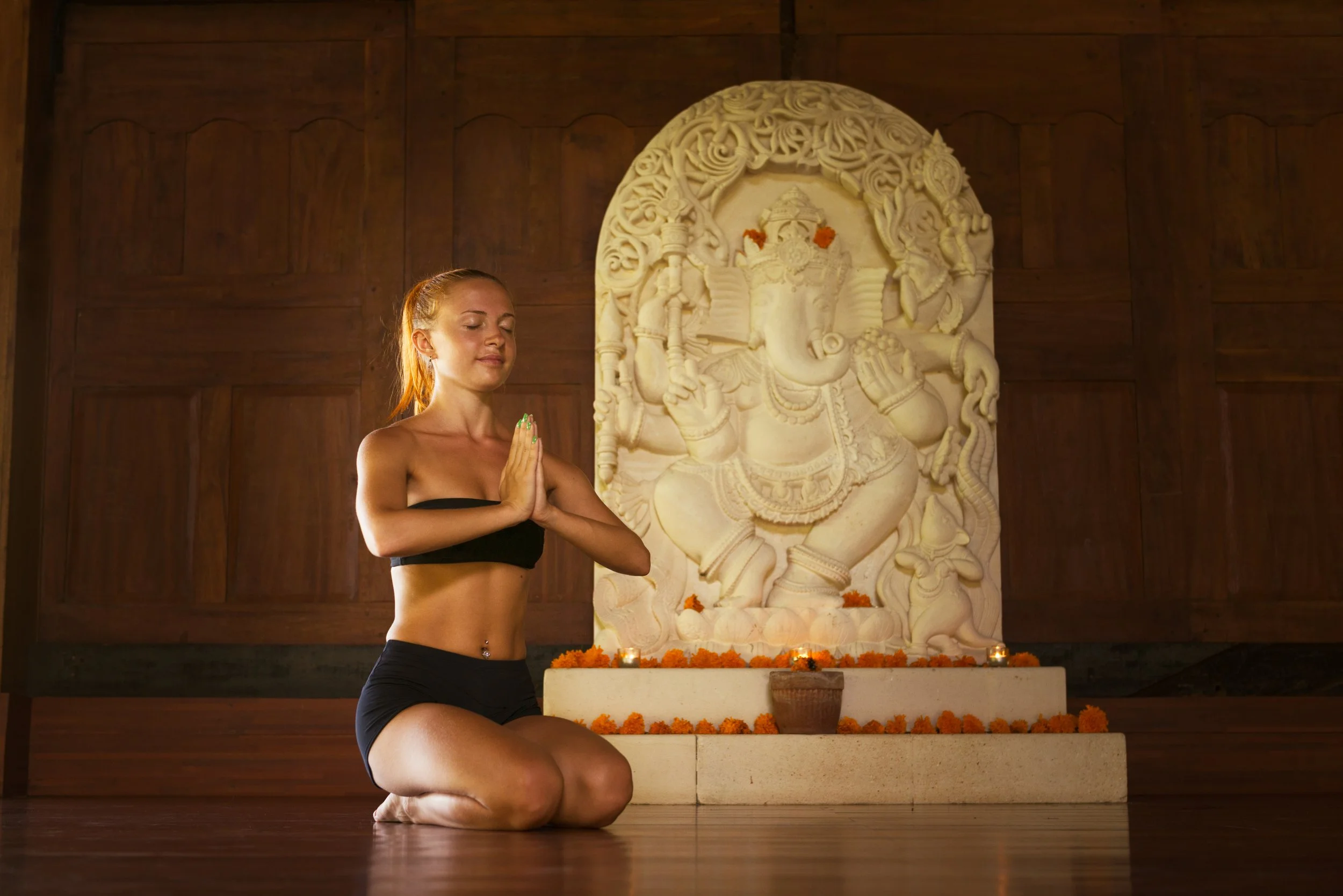
Bhakti Yoga
Why Bhakti Yoga Still Matters Today
In modern American life, stress and constant distraction often dominate attention. Bhakti Yoga offers an alternative approach. Instead of chasing external achievement, it encourages inward reflection and emotional connection.
Many people are drawn to physical fitness but overlook the emotional dimension of well being. Bhakti Yoga restores balance by nurturing the heart.
This heart-centered yoga approach helps practitioners:
Develop emotional resilience
Strengthen compassion
Reduce anxiety
Cultivate spiritual awareness
In a culture that often values productivity over presence, the devotional yoga path reminds us that inner peace is just as important as outward success.
Conclusion
What Is Bhakti Yoga? It is the yoga of love and surrender, a devotional yoga path rooted in traditional yoga spirituality. Drawing from texts such as the Bhagavad Gita and the Narada Bhakti Sutra, Bhakti Yoga teaches that love and devotion can lead to spiritual awakening.
Through mantra chanting practice, service, prayer, and gratitude, practitioners cultivate emotional balance and spiritual awareness. Whether practiced alone or alongside physical yoga sessions, Bhakti Yoga offers a powerful path toward connection and inner peace.
By understanding What Is Bhakti Yoga and applying its principles consistently, anyone can begin walking the path of devotion today.
Frequent Ask Questions:
1. Is Bhakti Yoga religious or spiritual?
Bhakti Yoga can be spiritual without being tied to a specific religion. It focuses on devotion and connection rather than strict doctrine.
2. Do you need experience to practice Bhakti Yoga?
No prior experience is required. Bhakti Yoga for beginners starts with simple gratitude and devotion practices.
3. What is the main goal of Bhakti Yoga?
The main goal is spiritual awakening through love, surrender, and heartfelt devotion.
4. Can Bhakti Yoga be practiced without rituals?
Yes. Devotion can be expressed through gratitude, service, or quiet reflection without formal ritual.
5. How is Bhakti Yoga different from meditation?
While meditation emphasizes concentration, Bhakti Yoga emphasizes emotional connection and loving surrender as the primary path.