
Why Athletes Are Switching to True Hot Yoga Classes
Static stretching after a workout has been the default recovery routine for decades, and for a long time nobody really questioned it. That is starting to change. Hot yoga classes for athletes have picked up real momentum across nearly every sport, from runners and cyclists to weightlifters and team-sport competitors, because more people are realizing that a few toe touches after training simply is not enough to keep up with the serious, repeated physical demands.
This article looks at what is actually driving that shift, what different types of athletes are getting out of it, and what to expect if you are considering making the switch yourself.
Why Traditional Recovery Routines Are Falling Short
Most traditional post-workout routines involve some light stretching, maybe a foam roller, and calling it done. That approach can maintain a baseline, but it rarely addresses the deeper tightness, imbalances, and nervous system fatigue that build up from serious training.
Athletes pushing their bodies consistently need something that goes further than five minutes of stretching squeezed in before heading home, which is exactly the gap hot yoga classes for athletes are filling.
What Different Types of Athletes Are Getting Out of It
Endurance Athletes Gain Mobility Their Sport Does Not Build
Runners and cyclists spend enormous amounts of time moving in a single repetitive plane, which builds fitness but does very little for hip rotation, shoulder mobility, or lateral movement. Hot yoga fills in exactly the mobility gaps that pure endurance training leaves behind, often reducing the nagging tightness that builds up over months of consistent mileage.
Strength Athletes Find Balance for Heavy Training
Weightlifters and strength-focused athletes often develop significant muscle tightness from repeated heavy loading. A heated practice offers a genuine counterbalance, restoring range of motion that heavy lifting alone tends to reduce over time, while still respecting the demands of a serious strength program.
Team Sport Athletes Address Asymmetries From Repetitive Motion
Athletes in sports involving repeated one-sided movements, such as throwing, swinging, or kicking, often develop imbalances between their dominant and non-dominant sides. A well-rounded practice trains both sides evenly, addressing asymmetries that sport-specific training alone rarely corrects.
Weekend and Recreational Athletes Stay in the Game Longer
Athletes playing recreationally without a formal training program often accumulate tightness the fastest, since they rarely build any dedicated recovery habit at all. For this group, hot yoga classes for athletes often become the single biggest factor in whether they keep playing comfortably for years or begin experiencing recurring soreness.
The Physical Benefits Driving the Shift
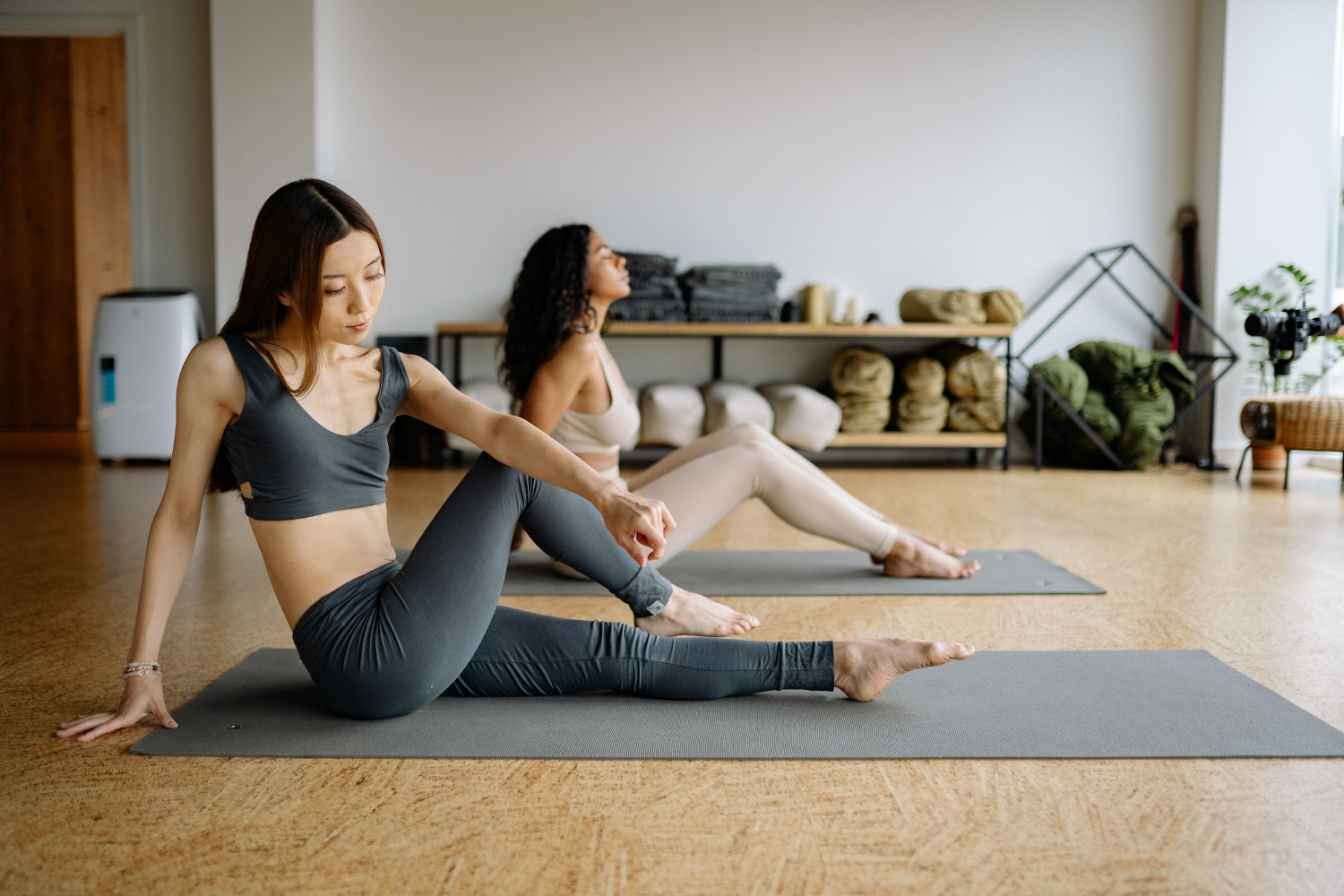
Improved joint mobility, faster recovery through increased circulation, and better balance and body awareness are common benefits for athletes who incorporate heated practice into their routines. For those new to this approach, beginner-friendly yoga sessions can provide a comfortable way to build flexibility and body awareness, while the heat helps muscles stretch more deeply and safely than they can when cold. This added flexibility is one reason heated yoga can be more effective than standard post-workout stretching.
The Mental Side Athletes Often Do Not Expect
Beyond the physical benefits, many athletes describe an unexpected mental shift once they start practicing consistently. The breathing techniques woven throughout a hot yoga class train focus and composure under physical stress, skills that carry over directly into competition, particularly in moments where staying calm under pressure matters as much as raw physical ability.
Pointers for Athletes Considering the Switch
Start with one or two sessions a week alongside your existing training rather than replacing your sport-specific workFocus early sessions on the areas your sport neglects most, whether that is hip mobility, shoulder rotation, or lateral movementCommunicate your sport and any current tightness or injuries to your instructor so they can guide appropriate modificationsGive the practice several weeks before judging results, since mobility and recovery gains build gradually with consistencyPair a heated practice with proper hydration, since the combination of training and heat increases fluid needs significantly
Finding the Right Class for Your Training Schedule
Most athletes find that fitting hot yoga around an existing training schedule works best when class times are flexible and easy to plan around. Take a look at the full class schedule and find sessions that complement your current sport or training program.
Final Thoughts
The shift toward hot yoga classes for athletes is not so much a passing trend as a recognition that traditional recovery routines were never quite enough to meet the demands of serious training. Whether you run, lift, play a team sport, or compete recreationally, a heated practice offers mobility, recovery, and mental focus benefits that traditional stretching alone cannot match. Ready to see what it can do for your training? Join a class at True Hot Yoga and give your body the recovery system serious training actually requires.
Frequently Asked Questions
1. Is hot yoga only helpful for certain types of athletes, or does it benefit everyone?
It benefits a wide range of athletes, from endurance and strength athletes to team sport competitors and recreational players, though the specific benefits vary by sport.
2. How many sessions a week should a serious athlete add to their training?
One or two sessions a week alongside existing training is a reasonable starting point for most athletes, with the number adjusted based on how the body responds.
3. Will hot yoga interfere with my regular strength or endurance training?
Most athletes find it complements rather than competes with their training, though spacing sessions appropriately around hard training days helps avoid overtraining.
4. Can hot yoga actually improve athletic performance, or is it only for recovery?
Both. Improved mobility, balance, and mental focus often translate into measurable performance benefits alongside the recovery advantages.
5. Do I need yoga experience to start if I am coming from a different sport background?
Not at all. All-level classes are designed for athletes of all backgrounds, with instructors offering modifications throughout.