
Does Pilates Sculpt Your Body
Many people searching how Pilates can change your body want to know whether this form of movement can actually sculpt and tone their physique. Pilates is often described as gentle, controlled, and mindful, which leads some to question if it delivers visible physical results. The truth is that Pilates works differently than traditional strength training, yet it can create meaningful changes in posture, muscle tone, balance, and overall body awareness. For those exploring yoga benefits for mental health, combining Pilates with yoga can enhance mindfulness and reduce stress while improving physical fitness. Some people also explore complementary fitness approaches such as true hot yoga body sculpting to support strength, mobility, and overall body conditioning.
What Is Pilates and How It Works
Pilates is a structured movement system that focuses on controlled exercises, breath coordination, and precise muscle engagement. Unlike fast-paced workouts, Pilates emphasizes quality of movement over quantity. Each exercise targets multiple muscle groups at once, with special attention on the core, posture, and alignment.
Instead of lifting heavy weights, Pilates uses body weight, controlled resistance, and repetition to build strength. This approach supports muscle engagement without placing excess stress on joints. Many women prefer yoga tops for women and leggings for yoga for comfort and flexibility during these exercises. Because of this, many people consider Pilates a sustainable and accessible form of exercise that supports long-term physical health.
What Happens to Your Body When You Do Pilates
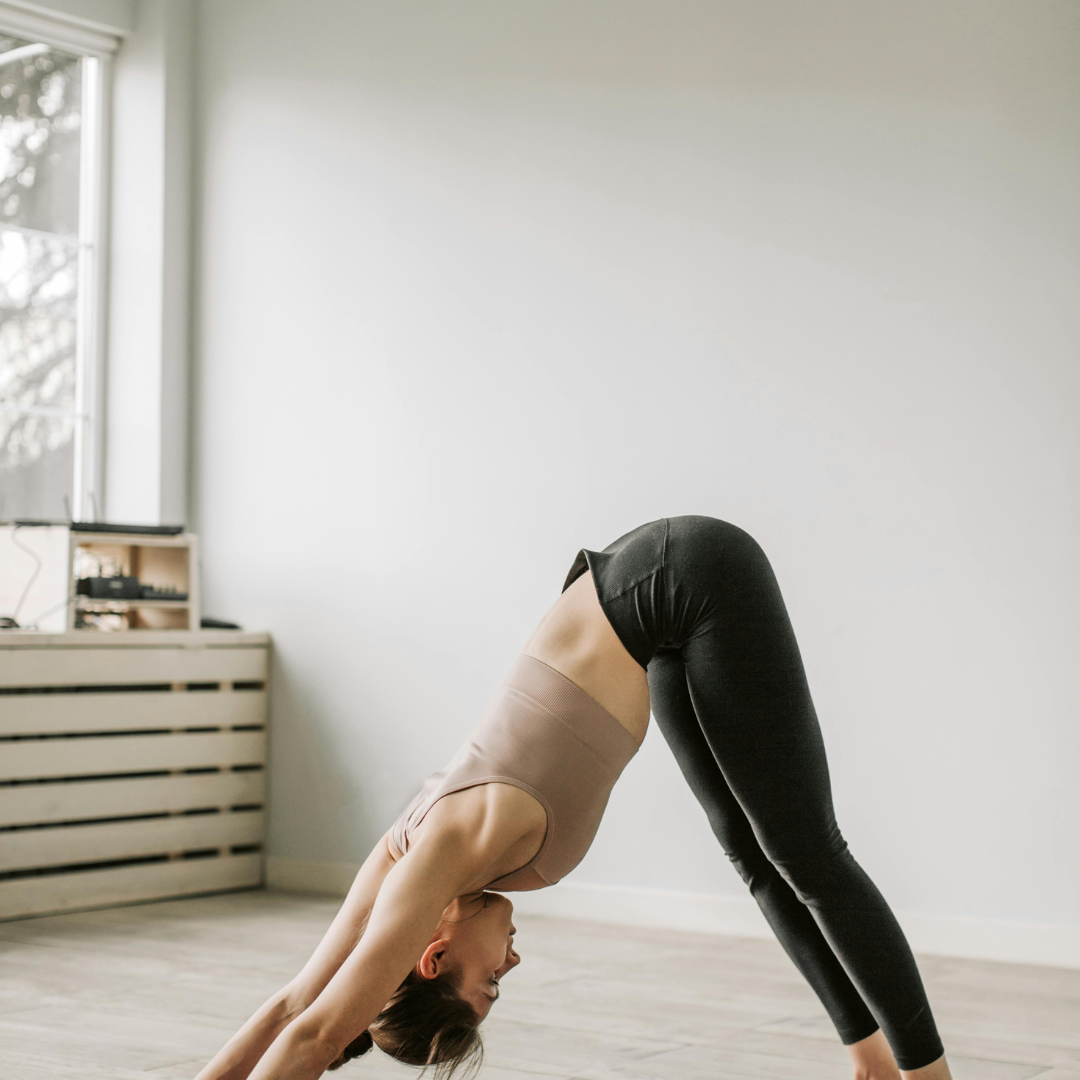
When practiced consistently, Pilates produces changes that go beyond surface appearance. Early results are often internal, followed by visible improvements over time.
Initial Changes
Increased awareness of posture and movement
Improved core engagement
Reduced stiffness and tension
Better balance and coordination
Longer-Term Changes
More defined muscle tone
Improved spinal alignment
Stronger core and stabilizing muscles
Increased flexibility and mobility
Greater control over movement
These gradual shifts explain why Pilates results are often described as subtle but long lasting. Over time, many people notice a visible Pilates body transformation without dramatic size changes.
How Pilates Builds Strength Without Bulk
A common concern is whether Pilates builds muscle or leads to a bulky appearance. Pilates builds strength differently than traditional weight training.
Why Pilates Does Not Create Bulk
Exercises use lighter resistance
Movements emphasize length and control
Muscles are worked through full ranges of motion
Focus is on endurance rather than maximum load
This explains why people often ask, does pilates build muscle. The answer is yes, but in a way that emphasizes lean strength rather than size. Pilates helps muscles become more defined and functional without excessive mass.
How Pilates Improves Flexibility, Balance, and Mobility
Pilates is not only about strength. Flexibility and mobility are key parts of every session.
Flexibility Benefits
Muscles lengthen while strengthening
Tight areas gradually release
Range of motion improves safely
Balance and Mobility Benefits
Stabilizing muscles become more active
Joint control improves
Body awareness increases
This combination supports smooth, efficient movement in daily activities. Improved balance and mobility also reduce injury risk and support long-term physical independence.
Why Pilates Can Help Shape a More Toned Physique
Pilates sculpts the body by targeting muscles that often remain underused in other workouts. These deep stabilizing muscles help create a more balanced and toned appearance.
Key Areas Pilates Shapes
Abdominal muscles
Glutes and hips
Back and spinal muscles
Arms and shoulders
Thighs and legs
Rather than isolating muscles, Pilates works the body as a whole. This full-body approach contributes to visible changes in posture, alignment, and muscle tone. Over time, many people notice a more upright stance and smoother movement patterns, which enhance overall appearance. Some individuals even combine Pilates with treatments like body sculpting, considering the cost of body sculpting as part of their holistic fitness investment.
Pilates and strength-based workouts often raise questions about body sculpting vs body contouring for muscle definition and shaping.
Why Pilates Should Be Part of a Balanced Fitness Routine
Pilates works best when viewed as part of a balanced approach to fitness rather than a standalone solution. It complements other forms of exercise by improving movement quality and body control.
How Pilates Supports Other Workouts
Improves posture during strength training
Enhances flexibility for cardio activities
Reduces muscle imbalances
Supports recovery and injury prevention
People often explore the Difference Between Yoga and Pilates to decide how each fits into their routine. While yoga emphasizes flexibility and mindfulness, Pilates focuses more on controlled strength and alignment. Together, they create a well-rounded fitness foundation.
Many people also ask does yoga tone your body, especially when comparing Pilates and yoga for strength and flexibility.
How Often Should You Do Pilates to See Results?
Consistency matters more than intensity when it comes to Pilates transformation.
General Guidelines
2 to 3 sessions per week for beginners
3 to 4 sessions per week for noticeable results
Daily short sessions for mobility and posture support
Many people begin noticing changes within a few weeks, particularly in posture and core strength. Visible changes in muscle tone usually appear after several weeks of consistent practice.
If you are wondering is pilates a good workout, the answer depends on your goals. Pilates is highly effective for sculpting, stability, and strength but works best when practiced regularly.
What to Expect in a Pilates Session
A Pilates session follows a structured flow designed to engage the whole body.
Typical Session Elements
Gentle warm up
Core focused exercises
Controlled movements for strength
Stretching for flexibility
Cool down and breath awareness
Sessions may use a mat or specialized equipment, depending on the format. Instructions emphasize alignment, breath control, and precision. This focused environment helps practitioners stay present and engaged throughout the workout.
Benefits of Pilates Beyond Physical Appearance
Pilates influences more than muscle tone. It also supports mental health and overall well being.
Mental and Emotional Benefits
Improved focus and concentration
Reduced stress through mindful movement
Greater confidence in body awareness
Enhanced sense of control and stability
Pilates promotes body positivity by shifting focus away from appearance and toward strength, function, and awareness. This mindset helps people appreciate progress beyond scale or size changes.
Conclusion
Understanding how does pilates change your body requires looking beyond quick results. Pilates sculpts the body through consistent, controlled movement that builds strength without bulk, improves posture, and enhances flexibility. Over time, it creates a more balanced, toned physique while supporting mental focus and long-term physical health. For those seeking sustainable results, Pilates offers a practical and empowering approach to body transformation.
Frequently Asked Questions
1. Does Pilates really sculpt your body?
Yes, Pilates helps sculpt the body by strengthening deep muscles, improving posture, and creating lean muscle tone over time.
2. How long does it take to see changes from Pilates?
Many people notice posture and strength changes within a few weeks, with visible muscle tone developing after consistent practice.
3. Can Pilates replace weight training for muscle building?
Pilates builds strength and tone but may not replace weight training for those seeking maximum muscle size.
4. Do I need equipment to sculpt my body with Pilates?
No, mat-based Pilates can be very effective. Equipment adds variety but is not required.
5. Is Pilates good for beginners?
Yes, Pilates is beginner friendly and adaptable to different fitness levels and physical needs.