
What Are the Benefits of Yoga for Mental Health?
The yoga benefits for mental health are gaining attention as more people look for practical ways to manage stress, anxiety, and emotional fatigue. Long work hours, digital overload, and daily responsibilities often leave little space for mental recovery. Rooted in the limbs of yoga, this practice offers a structured yet gentle approach to restoring balance between the mind and body. Through movement, breathing techniques, and mindful awareness, yoga supports emotional stability and mental clarity across different age groups and lifestyles.
Today, many corporate employees also join yoga sessions in the evening after completing their shifts, using yoga as a way to decompress, reset mentally, and regain focus after demanding workdays.
What Is Yoga and How Does It Affect the Mind?
Yoga is a mind body practice that combines physical movement, controlled breathing, and focused awareness. While yoga poses strengthen the body, the mental benefits come from how movement and breath influence the nervous system.
Yoga helps slow racing thoughts and encourages present moment awareness. Breathing exercises regulate stress hormones, while mindful movement reduces mental tension and supports the natural flow of kundalini energy, promoting inner calm and focus. Over time, this combination helps build emotional resilience and greater self-confidence.
Unlike passive relaxation methods, yoga actively trains the mind to respond calmly to challenges rather than react impulsively.
Why Is Yoga Effective for Mental Health Support?
Yoga works on multiple systems at once, which is why it is effective for mental health support.
Key Reasons Yoga Helps the Mind
Lowers stress hormone levels
Activates relaxation responses in the nervous system
Encourages emotional regulation
Builds awareness of thought patterns
Supports consistent self care routines
Yoga also creates a sense of structure, which many people find grounding during stressful periods. For individuals working high pressure jobs, evening yoga sessions help release built up tension and mental fatigue.
How Does Yoga Reduce Stress and Anxiety?

Stress and anxiety often stem from constant stimulation and lack of recovery time. Yoga interrupts this cycle by encouraging slow, intentional movement and breath control.
Ways Yoga Reduces Stress
Breathing techniques calm the nervous system
Stretching routines release physical tension
Gentle yoga poses encourage relaxation
Focused awareness reduces mental overload
Restorative yoga poses and slow styles are especially effective for stress management. Even chair yoga exercises can offer relief for those with limited mobility or desk bound work schedules.
Practicing yoga regularly teaches the body how to return to a calm state more easily.
What Are the Mood-Boosting Benefits of Yoga?
Yoga influences mood by supporting both physical and emotional balance. Movement releases tension stored in the body, while breathwork improves oxygen flow to the brain.
Mood Related Benefits of Yoga
Increased emotional stability
Reduced irritability
Improved sleep quality
Greater sense of calm
Enhanced self confidence
These benefits are especially helpful for individuals experiencing burnout or emotional exhaustion. Many corporate employees report feeling mentally refreshed after evening yoga sessions, often comparing its impact when asked, is pilates a good workout for mental wellness alongside yoga, as both emphasize mindful movement and stress relief.
Practicing regularly at a studio offering relaxing yoga classes in Cave Creek AZ can significantly reduce stress and improve overall mental clarity.
How Yoga Enhances Cognitive Function and Focus
Mental clarity and focus often decline under prolonged stress. Yoga helps restore cognitive function by improving circulation and calming mental noise.
Cognitive Benefits Include
Better concentration
Improved memory
Reduced mental fog
Enhanced decision making
Stronger mind body connection
Breathing exercises and controlled movement help stabilize attention. Styles that include flowing sequences encourage focus without overwhelming the nervous system, making yoga beneficial for both creative and analytical professionals.
What Types of Yoga Are Best for Mental Health?
Different yoga styles offer different mental health benefits. Choosing the right type depends on personal needs and energy levels.
Popular Styles for Mental Wellness
Yin Yoga supports deep relaxation and emotional release
Vinyasa Yoga balances movement with breath and focus
Hatha Yoga offers steady, structured practice for beginners
Restorative Yoga promotes stress relief and nervous system recovery
Yoga Therapy adapts practices for individual mental and emotional needs
Each style supports mental health in a unique way. Exploring different approaches helps individuals find what feels most supportive.
How to Get Started with a Mental Health-Focused Yoga Practice
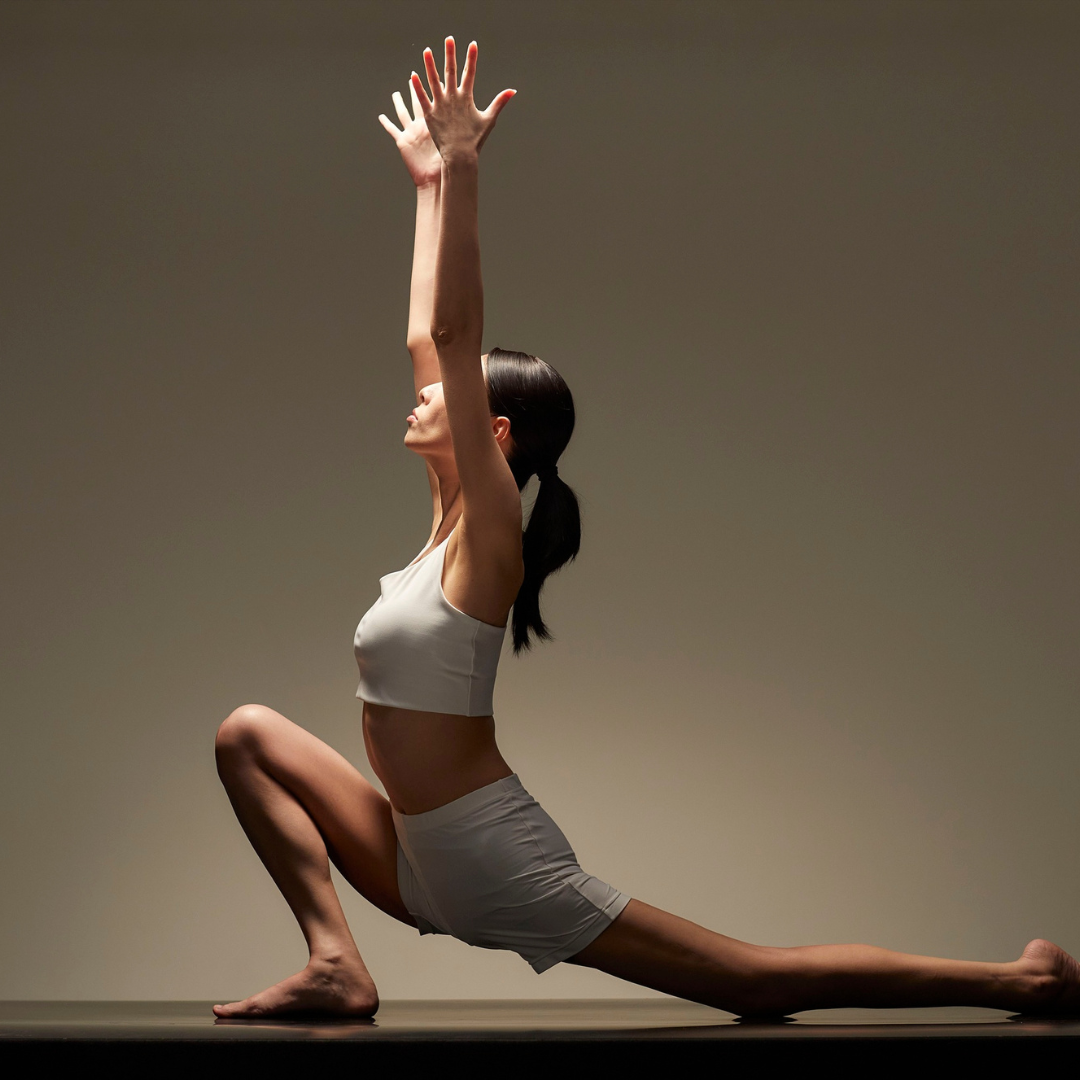
Starting yoga for mental health does not require advanced flexibility or experience.
Beginner Friendly Steps
Choose a quiet space or guided class
Start with short sessions of 15 to 20 minutes
Focus on breathing techniques first
Use simple yoga poses that feel comfortable
Practice consistently rather than intensely
Many beginners begin with gentle stretching routines and gradually build confidence. Chair yoga exercises are also helpful for those with physical limitations or long hours of sitting.
Why Consistency Matters in Yoga for Mental Wellness
Consistency is one of the most important factors in experiencing yoga benefits for mental health.
Why Regular Practice Helps
Trains the nervous system to relax more easily
Builds emotional resilience over time
Improves awareness of stress triggers
Creates a dependable self care routine
Yoga does not offer instant fixes, but consistent practice leads to noticeable improvements in mood, focus, and stress tolerance. This is why many professionals schedule yoga sessions after work as part of their evening routine.
What Scientific Evidence Supports Yoga for Mental Health?
Scientific research increasingly supports yoga as a complementary approach to mental health care.
Research Highlights
Yoga helps lower stress hormone levels
Regular practice supports anxiety reduction
Breathing techniques improve emotional regulation
Yoga enhances overall mental health outcomes
Health care professionals often recommend yoga as part of a broader wellness plan. While yoga does not replace medical treatment, it supports mental health when combined with other healthy practices.
How to Combine Yoga with Other Mental Health Practices
Yoga works best when paired with other supportive habits.
Helpful Combinations Include
Yoga and meditation
Yoga and journaling
Yoga and professional counseling
Yoga and healthy sleep routines
Yoga and mindful nutrition
Combining yoga with these practices creates a balanced approach to mental wellness. This integrated method helps people manage stress more effectively over time.
Conclusion
The yoga benefits for mental health extend far beyond physical movement. Yoga supports stress relief, emotional balance, focus, and long term mental resilience. With regular practice, yoga helps individuals respond to challenges with greater calm and clarity. From beginners to corporate employees joining evening sessions after work, yoga offers a practical and accessible way to support mental well being. When practiced consistently and mindfully, yoga becomes a powerful tool for mental wellness.
Understanding your first yoga class can make the experience more enjoyable and less intimidating.
Frequently Asked Questions
1. What mental health benefits can yoga provide?
Yoga supports stress reduction, emotional balance, improved focus, and greater self confidence.
2. How does yoga reduce stress and anxiety?
Yoga uses breathing techniques and mindful movement to calm the nervous system and lower stress hormones.
3. Can yoga improve mood and reduce symptoms of depression?
Yes, regular yoga practice can improve mood by supporting relaxation, emotional regulation, and mental clarity.
4. How often should I do yoga to see mental health benefits?
Practicing yoga two to four times per week can lead to noticeable mental health improvements.
5. Is yoga suitable for beginners who want mental health support?
Yes, yoga is beginner friendly and adaptable to all fitness and experience levels.