
Pickleball Elbow and Shoulder Strain: How Yoga Eases the Pain?
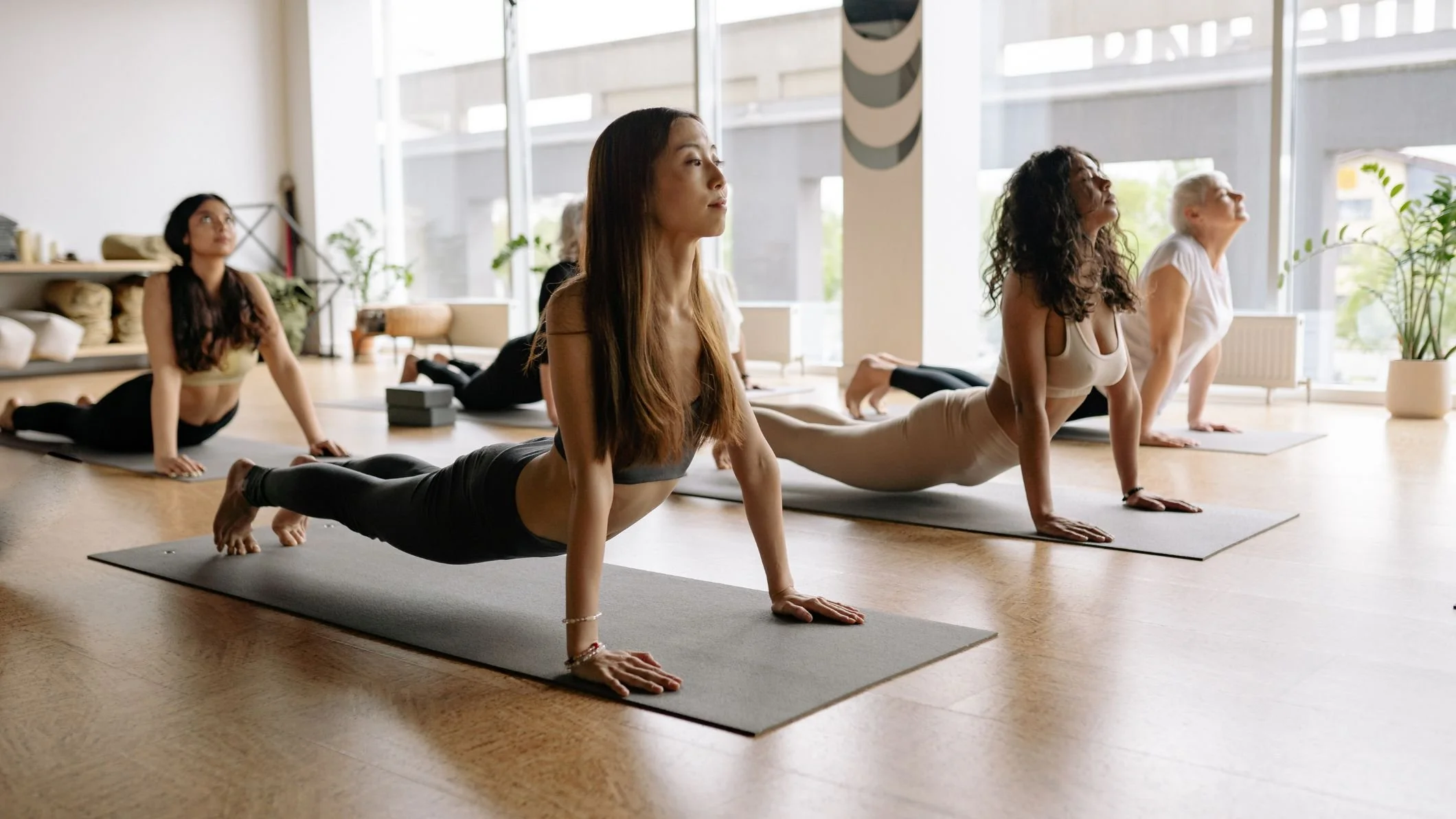
Pickleball is fast, social, and addictive, and that is exactly why so many Scottsdale players keep coming back to the court. The trouble is that all those quick swings add up.
Over weeks of play, repetitive paddle motion starts to wear on the same tendons and joints. Suddenly, your elbow aches when you grip a coffee cup, and your shoulder twinges on the overhead serve.
If that sounds familiar, you are not alone, and you are not stuck. Yoga for pickleball injuries is one of the gentlest, most effective ways to calm the pain and get you moving freely again. For even better results, many athletes also combine their practice with Assisted stretching for pickleball players to improve flexibility, reduce muscle tightness, and support faster recovery.
Why Pickleball Hurts Your Elbow and Shoulder
Pickleball looks low-impact, but the repetitive strain is real. The same forearm and shoulder muscles fire thousands of times each session, and tiny stresses build into stubborn pain.
Understanding what is actually happening helps you treat it more effectively rather than just pushing through.
Pickleball Elbow Explained
Pickleball elbow is the everyday name for lateral epicondylitis, the same condition known as tennis elbow. It develops when the extensor tendons on the outside of your elbow get overworked. Repeated gripping and swinging create tiny tendon tears and inflammation right where the muscle attaches to the bone. The result is a burning pain, real tenderness, and noticeably weaker grip strength during simple daily tasks.
The Shoulder Connection
Your shoulder takes a beating, too, especially on serves and overhead shots. Repeatedly reaching, twisting, and snapping the paddle loads the rotator cuff. Over time, this can lead to shoulder tendinitis, stiffness, and that nagging ache when you lift your arm. Tight chest muscles and poor posture off the court usually make it worse. Left unchecked, elbow and shoulder issues feed each other. A sore elbow quietly changes how you swing, which loads the shoulder differently and lets the strain spread up the whole arm.
How Yoga Eases the Pain
Here is the good news. Many pickleball aches stem from muscle imbalances, limited mobility, and tension that never has a chance to release. Yoga targets all three. Practiced consistently, yoga for pickleball injuries helps lengthen tight tissue, rebuild support around irritated joints, and restore the range of motion your game depends on.
Gentle Stretching That Releases Tension
When forearm and shoulder muscles stay chronically tight, they keep pulling on already irritated tendons. Slow, controlled stretching breaks that cycle. Yoga teaches you to ease into deep stretches without bouncing or forcing, which calms inflamed tissue rather than aggravating it. Better flexibility means less daily strain on your elbow and shoulder. If lower back stiffness is also limiting your movement on or off the court, you can discover yoga stretches for lasting lower back relief as part of a well-rounded mobility routine.
Building Strength and Stability
Stretching alone is not enough. Weak supporting muscles let the same overuse pattern repeat the moment you return to play. Mindful yoga poses build core stability, shoulder mobility, and balanced strength through the arms and upper back. Stronger stabilizers absorb force that would otherwise land on your tendons.
This balance matters for pickleball, where one side of your body works far harder than the other. Yoga gently evens out that muscle imbalance so your dominant arm no longer carries the entire load.
The Power of Heat
In a heated studio, your muscles warm quickly and stretch more safely. That added warmth boosts blood flow to overworked tissue, which supports natural recovery.
Many players find that hot yoga loosens the stubborn tightness their usual warm-up never reaches. The warmth also helps you move into each pose with less resistance, so your body relaxes instead of bracing against the stretch.
Simple Practices That Help Off the Court
You do not need to be flexible to start. A few intentional movements, done with attention to breath, make a noticeable difference.
Gentle wrist and forearm stretches ease elbow tension, while shoulder openers like a supported chest stretch counter all that forward reaching. Controlled breathwork also relaxes the nervous system, which lowers your overall pain response and supports athletic recovery.
The key is consistency over intensity. Short, regular sessions rebuild healthy movement patterns far better than one hard stretch when you are already sore. Pairing these habits with guided classes is where progress really accelerates. A practised eye catches the small alignment fixes that turn yoga for pickleball injuries from a temporary fix into lasting protection.
Why Scottsdale Players Trust Our Studio
We see active pickleball players walk through our doors every week, frustrated by elbow and shoulder pain that will not quit. Our certified instructors meet them exactly where they are.
We guide every level safely, scaling poses so beginners feel supported and seasoned athletes stay challenged. That hands-on, knowledgeable coaching is what makes yoga for pickleball injuries genuinely effective rather than just feel-good.
In our clean, welcoming Scottsdale space, you get more than a workout. You get a focused recovery routine, a supportive community, and a clear plan to keep you healthy and on the court for years to come.
Conclusion
Your favorite game should not leave you wincing every time you reach for the paddle. The right movement, guided by people who understand active bodies, can change that. We would love to help you trade that nagging elbow and shoulder pain for strength, ease, and confidence on the court. Step into our Scottsdale studio, meet our instructors, and feel the difference a smarter recovery routine makes. Book your first class with us today and let us help you get back to the pickleball you love, stronger than before.
Frequently Asked Questions
Can yoga really help my pickleball elbow?
Yes. Yoga eases tightness, improves circulation, and strengthens supporting muscles around the elbow, which together reduce strain and help inflamed tendons recover more comfortably over time.
How often should I practice yoga for pickleball recovery?
Two to three sessions weekly works well for most players. Consistent, gentle practice rebuilds mobility and strength far more effectively than occasional intense stretching during pain flares.
Is hot yoga safe if I already have shoulder pain?
Generally, yes, since heat loosens tight muscles. We scale every pose to your comfort, though we always recommend checking with your doctor before starting if pain is severe.
Do I need experience to join your classes?
Not at all. Our instructors welcome complete beginners and guide you through each movement step by step, helping you improve flexibility and mobility while building strength safely at your own pace.
Can yoga prevent future pickleball injuries?
Absolutely. Regular practice corrects muscle imbalances, sharpens body awareness, and keeps joints mobile, all of which lower your risk of repetitive strain returning down the road.