
What is Somatic Yoga
Somatic yoga is gaining attention for how it blends gentle movement, body awareness, and mindful self care. Many people search for ways to ease stress, reduce tension, and reconnect with their bodies, and this practice offers a path that feels approachable for beginners and experienced students. Somatic exercises, somatic stretching, and slow intentional movements help retrain the nervous system so the body can release long held tightness. This is why people often view it as a form of somatic therapy or somatic healing rather than only a workout.
If you are curious about what makes this method different and how it works, this guide explains everything in a simple and clear way. Understanding somatic yoga can also help you compare practices whether you choose traditional yoga exercises, a somatic workout, or other mindful movement approaches.
How Somatic Yoga Differs from Traditional or Western Style Yoga
Traditional yoga focuses on yoga poses, alignment, flexibility, and building physical strength. While these benefits also appear in somatic yoga, the intention is slightly different. Somatic yoga centers on the internal experience rather than how a pose looks. Each movement encourages awareness of what the body is doing and why it reacts in certain ways.
To explore the mental and spiritual side of yoga, you may also want to learn what Raja Yoga is and how it focuses on meditation and concentration.
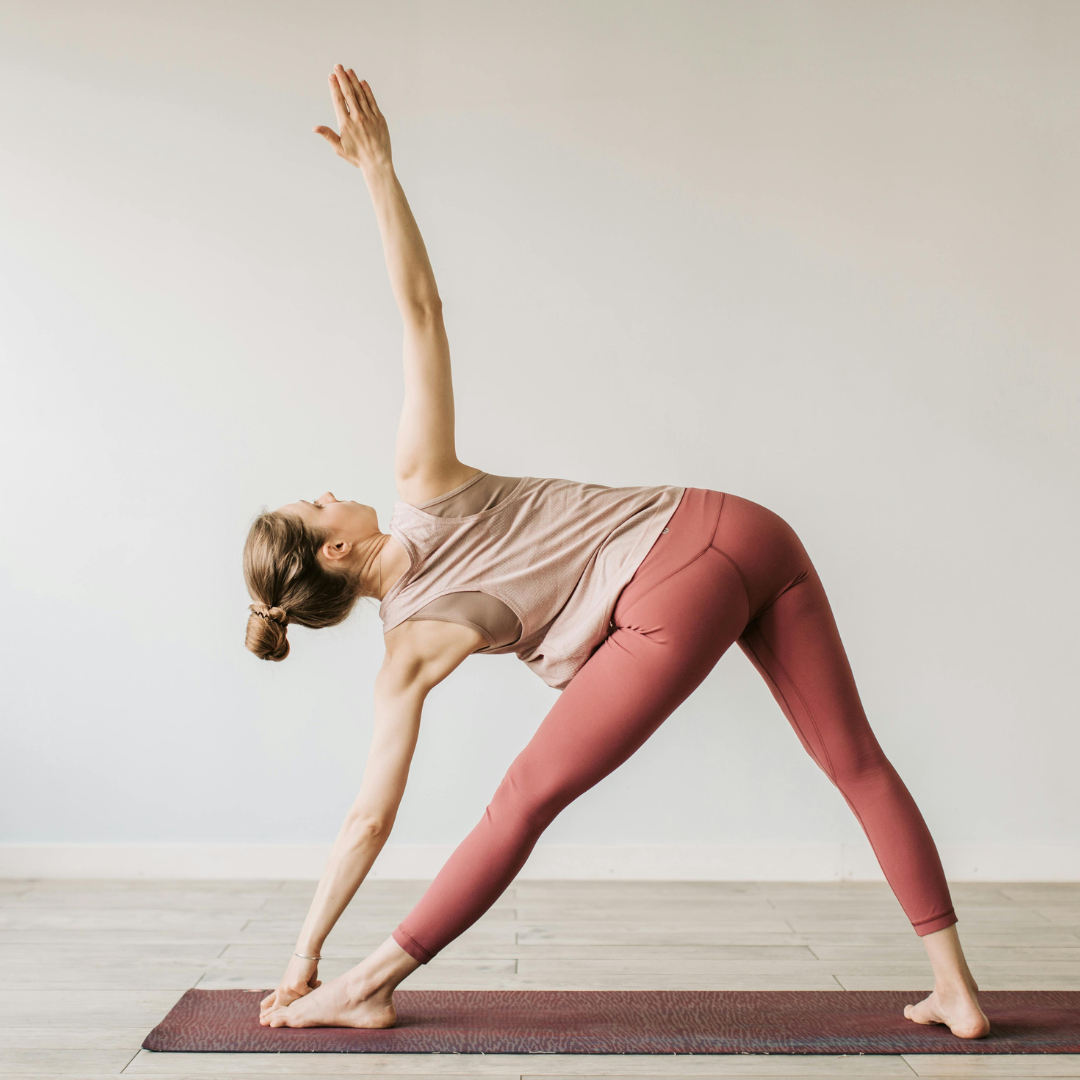
Western style yoga typically features quicker flowing sequences and a more energetic pace. Somatic yoga slows everything down. The body is trained to sense discomfort or tension followed by gentle exercises that reset the muscles. Many people use it as a form of somatic therapy because the slow approach supports mental health, grounding, and emotional release.
This method is also beginner friendly because the goal is not performance. The goal is awareness. It invites the nervous system to relax which is why many people combine it with other practices that support healing or even pair it with fitness focused classes like hot yoga when searching for results such as weight management. Readers who want to explore more on this topic can later check content related to is hot yoga good to lose weight for additional insights.
Core Principles and Philosophy Behind Somatic Yoga
Somatic yoga uses principles based on sensory motor learning. This means your body learns through feeling rather than forcing. Key ideas include:
1. Awareness First
Students learn to sense tightness, holding patterns, or habits that develop from stress, work posture, or injury.
2. Slow and Controlled Movement
Movements are small and controlled. These exercises signal the brain to release tension instead of bracing.
3. Neuromuscular Reeducation
The practice retrains the body to move with less effort. This is why it is often linked to somatic healing or somatic therapy training.
4. Internal Experience Over External Shape
Instead of perfecting poses, students notice how muscles engage or relax. This helps prevent strain or unnecessary force.
5. Mind Body Connection
Somatic yoga builds a strong connection between mind and physical sensations. Over time, this strengthens natural awareness and supports healthier movement patterns.
These principles make the practice valuable for people seeking gentle healing rather than intense physical exercise.
Typical Somatic Yoga Practices and Movements
Somatic yoga includes simple exercises that target the nervous system rather than only the muscles. Movements usually include:
1. Pandiculation
This is a controlled contraction followed by a slow release. It resets muscle tension more effectively than stretching.
2. Gentle Floor Based Exercises
Many sessions begin lying down. Students explore small shifts in the hips, shoulders, or spine.
3. Somatic Stretching
Instead of long static stretches, somatic stretching encourages feeling the range of motion and gradually increasing comfort.
4. Breath and Awareness Practices
Breathing patterns help calm the system so movements feel safe and natural.
5. Slow Transitions
Every action is done with purpose. There is no rush which makes the movements suitable for all ages and abilities.
These exercises build body awareness and reduce tension that people carry from daily stress.
For those looking for a more energetic practice, Buti Yoga for strength and cardio can be a great complement to mindful movement practices.
Benefits and Why People Choose Somatic Yoga
Many people turn to somatic yoga for its ability to improve overall well being. Benefits include:
1. Reduced Chronic Tension
It helps release tight shoulders, stiff hips, and lower back discomfort caused by repetitive habits.
2. Improved Mental Health Support
The slow pace helps calm the mind which can ease anxiety and stress.
3. Better Movement Quality
Neuromuscular learning improves posture and balance.
4. Enhanced Body Awareness
Practitioners gain a better understanding of what their body needs which supports healthier movement in daily life.
5. Gentle Strength Building
While the practice is not a traditional strength workout, muscles learn to move with more coordination.
6. Flexibility and Mobility
Somatic stretching improves range of motion over time.
Some people also explore somatic exercises for weight loss. Although somatic yoga alone is not a high calorie workout, it supports healing and reduces stress which can influence healthy habits.
Who Should or Could Practice Somatic Yoga
Somatic yoga is suitable for many people including:
Beginners who feel unsure about traditional yoga.
Those dealing with chronic stress or muscle tension.
Athletes who want to improve movement patterns.
Individuals recovering from emotional or physical strain.
Older adults seeking gentle exercises.
Anyone who wants to understand their mind-body connection.
It is also helpful for people who feel disconnected from their physical sensations or want a slower approach to self care.
How to Get Started and What to Look For
If you are new to somatic yoga, consider these steps:
1. Choose a Qualified Instructor
Look for teachers with somatic therapy training or experience in mindful movement.
2. Start Slow
Begin with short sessions. Pay attention to how your body reacts rather than pushing through discomfort.
3. Create a Calm Practice Space
A quiet room helps you stay focused on internal awareness.
4. Wear Comfortable Clothing
Loose and breathable outfits support relaxation.
5. Pair it With Other Movement
Some students combine somatic work with yoga poses or fitness routines to build a balanced practice.
6. Consistency Matters
Regular sessions help retrain the nervous system more effectively.
Potential Risks, Drawbacks or Situations to Approach with Care
Somatic yoga is generally safe when done gently, but consider the following:
People with recent injuries should consult a professional before starting.
Some movements may feel unusual at first because the body is learning new patterns.
Individuals with severe trauma histories may need support from a trained mental health professional if emotional release occurs.
Overdoing movements can create discomfort so slow pacing is important.
Listening to your body is the most important part of this practice.
Why Somatic Yoga Matters
Somatic yoga matters because it teaches people how to reconnect with their bodies in a world that encourages speed and tension. It supports emotional and physical awareness which improves how we move, breathe, and feel each day. Whether you use it for stress relief, better mobility, or deeper self understanding, the practice offers long term benefits that stay with you outside of class. Somatic yoga empowers the body to heal itself which is why many students return to it long term.
Somatic yoga gives people a simple path to explore awareness and gentle exercises while supporting the mind body connection. Read more blogs about Yin Yoga , Vinyasa Yoga & aerial yoga for flexibility and balance.
FAQs
1. Is Somatic Yoga suitable for beginners
Yes. The practice is slow, approachable, and focused on awareness rather than performance.
2. How is Somatic Yoga different from traditional yoga
It emphasizes internal sensing instead of pose perfection. Movements are slower and designed to retrain the nervous system.
3. Can Somatic Yoga help with stress or chronic tension
Yes. Many people use it to reduce tension from daily stress or long held muscle patterns.