
What Is Tantric Yoga
Tantra yoga is a deeply holistic practice that focuses on awareness, energy, and conscious presence rather than physical movement alone. Unlike yoga styles that prioritize strength or flexibility, tantric yoga works with breath, meditation, intention, and subtle energy to deepen the connection between mind, body, and spirit. While the term is often misunderstood, tantric yoga is not limited to sexuality. It is a spiritual system designed to help practitioners experience greater clarity, balance, and inner awareness.
This guide explains the roots of tantric yoga, how it works, what makes it different from other yoga styles, and what beginners can expect when starting a tantric yoga practice.
Understanding the Roots of Tantric Yoga
Tantric yoga has ancient origins that date back thousands of years.
Historical foundation: Tantric teachings emerged from early Indian spiritual traditions focused on self-realization.
Philosophical roots: Tantra views the body and mind as sacred tools for growth.
Integration approach: Rather than rejecting worldly experiences, tantra works with them consciously.
Connection to yoga: Tantric philosophy influenced many yoga systems, including Hatha yoga.
Tantric yoga developed as a way to experience spiritual growth through everyday awareness rather than renunciation.
Core Principles Behind Tantric Yoga Practice
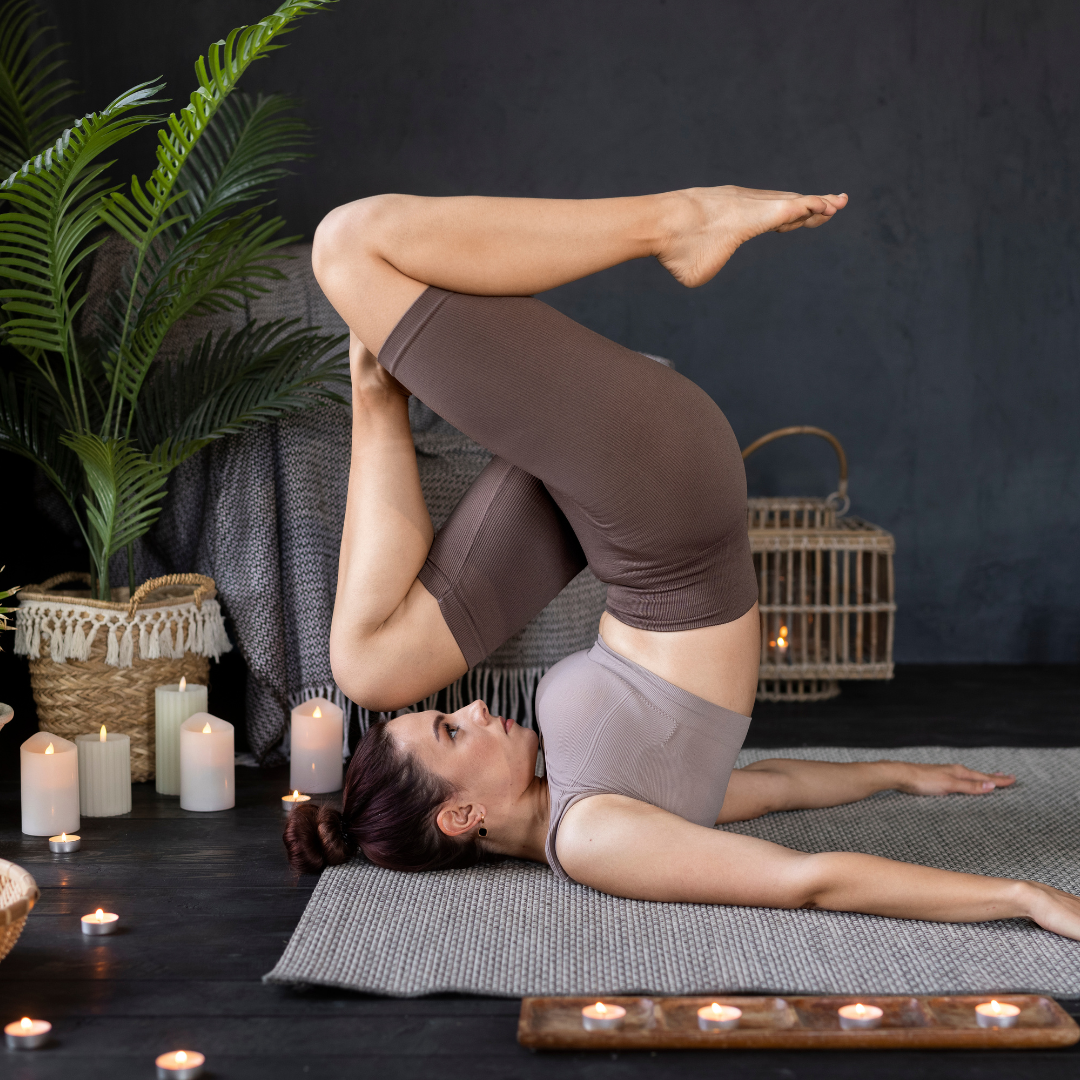
Tantric yoga is guided by principles that emphasize presence and energy awareness.
Mind body unity: The practice treats physical sensations and mental states as interconnected.
Energy awareness: Tantric yoga works with subtle energy rather than physical effort alone.
Conscious intention: Every practice begins with clear intention and awareness.
Acceptance: Instead of resisting sensations, practitioners observe them with curiosity.
These principles shape how tantric yoga is practiced and experienced.
How Tantric Yoga Differs From Other Yoga Styles
Tantric yoga differs from more familiar yoga styles in several ways.
Less posture focused: Yoga poses are used as tools rather than the main goal.
Slower pace: Practices emphasize awareness over movement intensity.
Energy centered: Attention is placed on breath, sensation, and energetic flow.
Meditative emphasis: Meditation plays a larger role than physical conditioning.
Compared to styles like Vinyasa Yoga, tantric yoga moves more slowly and intentionally, focusing on inner experience rather than flow.
While Tantric practices focus on energy and transformation, Raja Yoga emphasizes mental discipline and meditation as the path to spiritual awareness.
Key Techniques Used in Tantric Yoga
Tantric yoga uses a variety of techniques to deepen awareness.
Breathwork: Controlled breathing techniques help regulate energy and focus.
Meditation: Tantric meditation encourages presence and observation without judgment.
Mantra: Sound or silent repetition supports concentration and intention.
Visualization: Mental imagery helps guide energy awareness.
Practices are often performed seated on a yoga mat or in gentle yoga poses.
Benefits of Practicing Tantric Yoga

Tantric yoga offers benefits that extend beyond physical wellness.
Mental clarity: Improved focus and emotional awareness develop over time.
Stress reduction: Slow breathing techniques calm the nervous system.
Energy balance: Practitioners report increased vitality and groundedness.
Spiritual awareness: Many experience deeper self-understanding and insight.
These spiritual yoga benefits often complement physical yoga benefits rather than replace them.
Common Misconceptions About Tantric Yoga
Tantric yoga is frequently misunderstood.
Not just sensual yoga: While intimacy may be discussed, sexuality is not the main focus.
Not about performance: There are no poses to perfect or sequences to master.
Not exclusive: Tantric yoga is not limited to couples or advanced practitioners.
Not mystical fantasy: It is a structured spiritual system with practical techniques.
Understanding these misconceptions helps clarify what tantric yoga truly represents.
Tantric Yoga for Beginners: What to Expect
Beginners can start tantric yoga without prior yoga experience.
Gentle introduction: Practices are usually slow and accessible.
Guided awareness: Instructors guide attention toward breath and sensation.
Safe environment: Emphasis is placed on personal comfort and boundaries.
No pressure:
There is no expectation to perform advanced poses.
Those new to yoga may find tantric yoga more approachable than physically demanding styles like Yin Yoga, which still involve extended physical holds.
How Breathwork and Meditation Enhance Tantric Practice
Breath and meditation are central to tantric yoga.
Breathing techniques: Slow breathing helps regulate emotional responses.
Meditative awareness: Meditation trains attention and presence.
Energy flow: Breath guides subtle energy throughout the body.
Mindful observation: Thoughts and sensations are observed without judgment.
These techniques deepen the tantric yoga practice beyond physical movement.
Spiritual and Energetic Aspects of Tantric Yoga
Tantric yoga explores subtle aspects of human experience.
Tantric energy: Attention is directed toward internal energy awareness.
Conscious presence: Practitioners learn to stay present with sensations.
Inner connection: The practice fosters a sense of inner balance.
Awakening awareness: Some describe experiences of spiritual insight.
Unlike Somatic Yoga, which emphasizes physical sensation and nervous system regulation, tantric yoga focuses more on energetic and spiritual awareness.
Integrating Tantric Yoga Into Your Daily Routine
Tantric yoga can be practiced beyond formal sessions.
Short meditations: A few minutes of breath awareness can be effective.
Mindful breathing: Breath techniques can be used during daily stress.
Intentional pauses: Moments of awareness improve emotional regulation.
Consistent practice: Regular short sessions are more effective than occasional long ones.
Integrating tantric practices into daily life helps maintain balance and awareness.
Conclusion
Tantra yoga is a powerful and often misunderstood practice that emphasizes awareness, energy, and conscious presence. Rather than focusing on physical performance, tantric yoga invites practitioners to explore breath, meditation, and inner awareness as tools for growth. With its gentle pace and inclusive approach, tantric yoga is accessible to beginners and experienced practitioners alike. When practiced with intention and guidance, it offers mental clarity, emotional balance, and deeper spiritual connection that extend far beyond the yoga mat.
Many practitioners also explore energetic practices such as the Buti Yoga workout style for a more high-intensity and rhythmic yoga experience.