
How Many Yoga Poses Are There? A Complete Guide to Yoga Asanas
How Many Yoga Poses Are There? It is a simple question that leads to a surprisingly complex answer. If you have ever searched for a total yoga poses list, you may have seen numbers ranging from 84 to over 900. That wide range leaves many beginners confused about what is accurate and what truly matters.
If you are just starting your journey, reading How to Learn Yoga can help you focus on fundamentals instead of feeling overwhelmed by numbers. The truth is that yoga is not about memorizing every posture. It is about understanding how poses work together to support strength, flexibility, and balance.
In this guide, we will break down How Many Yoga Poses Are There, why counts vary, how asanas are classified, and how many you actually need in your practice.
The Real Number of Yoga Poses Explained
So, How Many Yoga Poses Are There in total? Historically, classical texts mention 84 primary asanas. In some traditions, this number symbolized completeness rather than an exact count.
Modern yoga, however, has expanded dramatically. Today, the number of yoga asanas documented in various manuals can exceed 200, and some total yoga poses list compilations reference over 900 variations.
Why the difference?
Some counts include only seated meditation postures.
Others include standing, balancing, and arm balance poses.
Many modern schools count every variation separately.
When asking How Many Yoga Poses Are There, it is important to understand that yoga evolved across centuries and cultures. As new teaching methods emerged, so did new types of yoga poses.
The number of yoga asanas continues to grow as instructors create safe modifications and innovative flows.
Why Different Traditions Count Asanas Differently
One reason people struggle with How Many Yoga Poses Are There is that traditions vary.
Classical Hatha Yoga texts focused primarily on seated postures for meditation. Later systems introduced standing sequences and dynamic transitions.
Some yoga pose classification systems group poses broadly, while others divide them into detailed subcategories. For example:
One source may list Warrior I and Warrior II as two poses.
Another may count subtle arm variations as separate entries.
Cultural history also plays a role. As yoga expanded globally, teachers adapted poses to modern bodies and lifestyles.
Understanding this evolution connects directly to the broader philosophy of yoga. Exploring What Are the Eight Limbs of Yoga can help you see that physical postures represent just one part of a larger system.
So when asking How Many Yoga Poses Are There, remember that the number depends on how you define and categorize them.
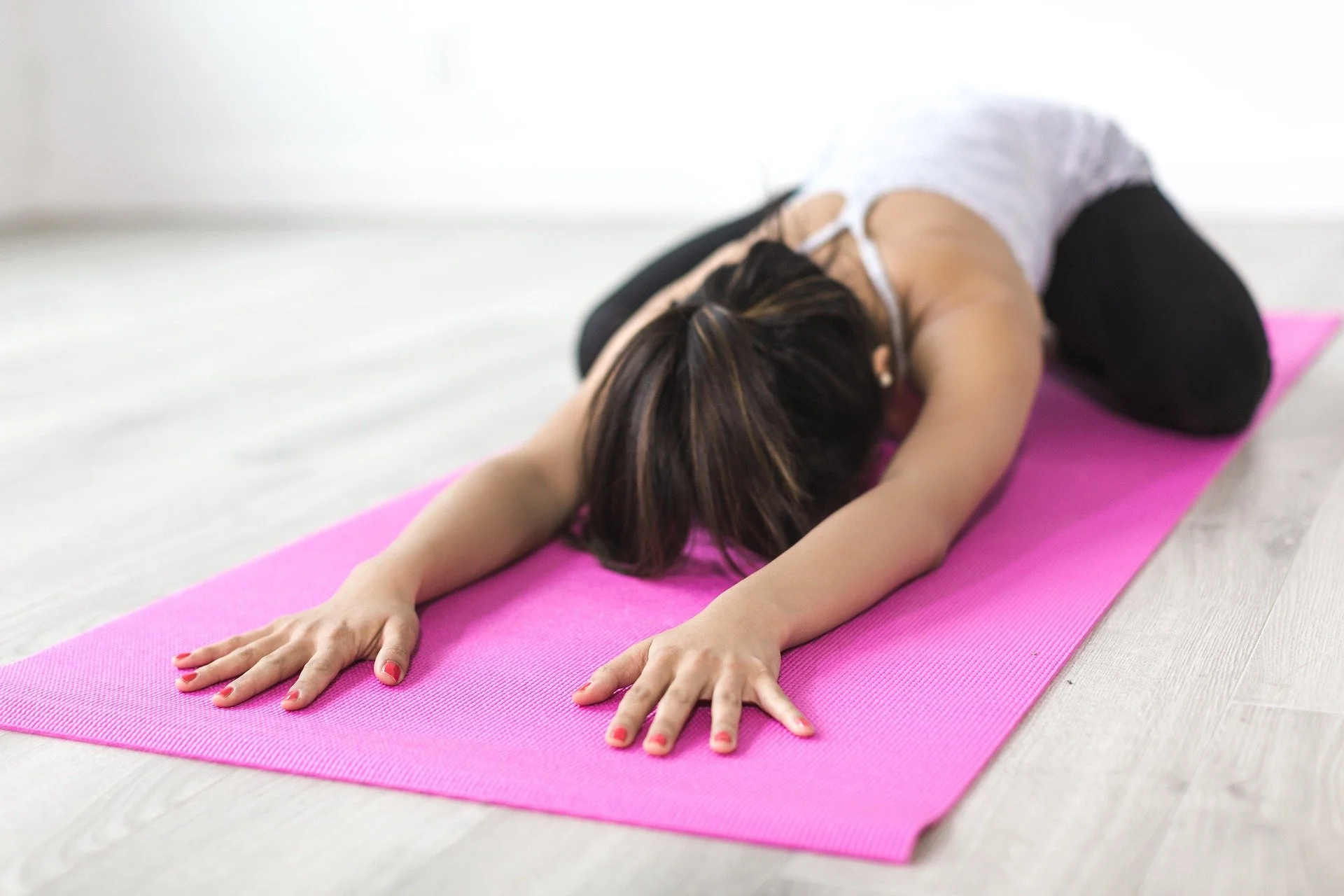
Classic Yoga Pose
Classic Pose Groups and How They’re Categorized
Rather than focusing only on numbers, it helps to understand yoga pose categories.
Standing poses
Build stability and strength building yoga poses foundations.
Seated poses
Support flexibility training and spinal alignment.
Forward folds
Enhance mobility and calm the nervous system.
Backbends
Improve posture and open the chest.
Twists
Support spinal mobility and digestive health.
Balancing poses
Develop coordination and Core Stability.
Arm balances
Increase upper body strength and muscle toning workouts yoga intensity.
Inversions
Reverse gravity effects and build confidence.
This yoga pose classification system helps students approach practice logically. Instead of memorizing a total yoga poses list, you learn how types of yoga poses serve different purposes.
Many standing sequences can support yoga for muscle toning, while arm balances clearly demonstrate how bodyweight resistance can help answer the question, can yoga build strength? If you're looking to build strength and flexibility, you can also explore your yoga options to find practices that fit your goals.
Beginner, Intermediate, and Advanced Pose Levels
Another reason the number of yoga asanas feels overwhelming is that difficulty levels vary.
Beginner yoga postures list examples include:
Mountain pose
Downward facing dog
Child’s pose
Warrior
Bridge pose
Intermediate poses introduce deeper backbends and balance challenges.
Advanced postures may include arm balances, complex inversions, or deep hip openers.
Does yoga improve muscle definition? Yes, especially as you progress into intermediate and advanced strength building yoga poses.
However, beginners do not need to master every category. Yoga for lean muscles develops gradually as stability improves.
When exploring the total yoga poses list, it is important to choose poses that match your current ability level.
Rare and Traditional Postures Most People Don’t Know
While modern classes focus on familiar poses, some traditional yoga postures remain less common.
Certain classical asanas guide texts describe rare seated variations designed for long meditation sessions. Others include intricate balancing shapes rarely seen in studio environments.
Historically, yogis practiced a smaller number of postures consistently rather than cycling through hundreds.
As yoga evolved, creative sequencing expanded pose diversity. Heated formats, for example, emphasize specific sequences that support muscle toning workouts yoga and cardiovascular intensity. Exploring the Benefits of hot yoga in the summer shows how the environment influences pose selection.
Even with rare or complex postures, the core function remains the same: building strength, flexibility, and balance.

yoga poses
How Many Poses Do You Actually Need to Practice?
After learning about the total number of yoga asanas, you may still wonder how many yoga poses are there that you actually need.
The honest answer is fewer than you think.
A balanced practice might include:
Five to eight standing poses
Two to three forward folds
Two backbends
A twist
A balance pose
A short relaxation
That simple structure already covers most yoga pose categories.
Instead of chasing numbers, focus on quality. Yoga for muscle toning improves when poses are practiced with alignment and consistency. Strength building yoga poses deliver results when repeated regularly.
Muscle toning workouts yoga programs rely on repetition and progression, not variety alone.
So while hundreds of types of yoga poses exist, a consistent practice of twenty to thirty well chosen postures can support lifelong progress.
The Bigger Picture Beyond Numbers
How Many Yoga Poses Are There becomes less important when you understand yoga’s purpose. The physical practice supports mobility, mental clarity, and long term strength.
Some students believe mastering more poses equals better progress. In reality, depth matters more than quantity.
Yoga for muscle toning, flexibility training, and Core Stability all improve when you practice foundational poses with attention and breath control.
If you continue to ask How Many Yoga Poses Are There, remember that the number reflects tradition, creativity, and adaptation. It does not define your success.
Conclusion
How Many Yoga Poses Are There? Historically, classical traditions referenced 84 foundational asanas. Modern yoga, however, includes hundreds of documented variations, and some lists exceed 900.
The exact number depends on classification, tradition, and interpretation. Instead of focusing on counting every posture, focus on understanding yoga pose categories, building strength gradually, and practicing consistently.
You do not need to memorize the entire total yoga poses list to benefit from yoga. A well structured routine that includes standing poses, forward folds, backbends, twists, and balance work is enough to build strength, flexibility, and endurance.
In the end, How Many Yoga Poses Are There matters less than how deeply you practice the ones you choose.
Frequent Ask Questions:
1. How many yoga poses exist in total?
Depending on the source, the number of yoga asanas ranges from 84 classical poses to several hundred modern variations.
2. Why do sources list different numbers of poses?
Different traditions count variations differently and classify poses based on historical or modern interpretations.
3. Do beginners need to learn all yoga poses?
No. Beginners can focus on a small beginner yoga postures list and still gain full benefits.
4. What are the most important yoga poses to start with?
Foundational standing poses, basic forward folds, and gentle backbends provide a balanced start.
5. Are new yoga poses still being created?
Yes. As yoga evolves, teachers continue developing safe variations and creative sequencing methods.