
What Are the Eight Limbs of Yoga
The Eight Limbs of Yoga originate from Ashtanga yoga, a traditional system described in the Yoga Sutras. The term Ashtanga translates to eight limbs, referring to eight interconnected yoga disciplines that guide both inner awareness and outward action, including practices such as kundalini yoga, which focuses on awakening inner energy.
Eight Limbs of Yoga?
The Eight Limbs of Yoga originate from ashtanga yoga, a traditional system described in the yoga sutras. The term ashtanga translates to eight limbs, referring to eight interconnected yoga disciplines that guide both inner awareness and outward action.
The eight limbs include:
Yamas
Niyamas
Asana
Pranayama
Pratyahara
Dharana
Dhyana
Samadhi
Rather than steps to be completed one by one, these limbs work together to support growth across physical, mental, and emotional levels.
What Does Each Limb of Yoga Represent?
Each limb plays a unique role within the broader yoga system.
1. Yamas
The yamas focus on ethical behavior and relationships with others. They encourage values such as honesty, kindness, restraint, and responsibility. Practicing the yamas helps build healthier interactions and greater awareness of how actions affect others.
2. Niyamas
Niyamas are personal practices that encourage self care, discipline, and reflection. They include habits that support mental clarity, inner balance, and personal responsibility.
Together, the yamas and niyamas create a moral foundation that supports all other yoga disciplines.
3. Asana
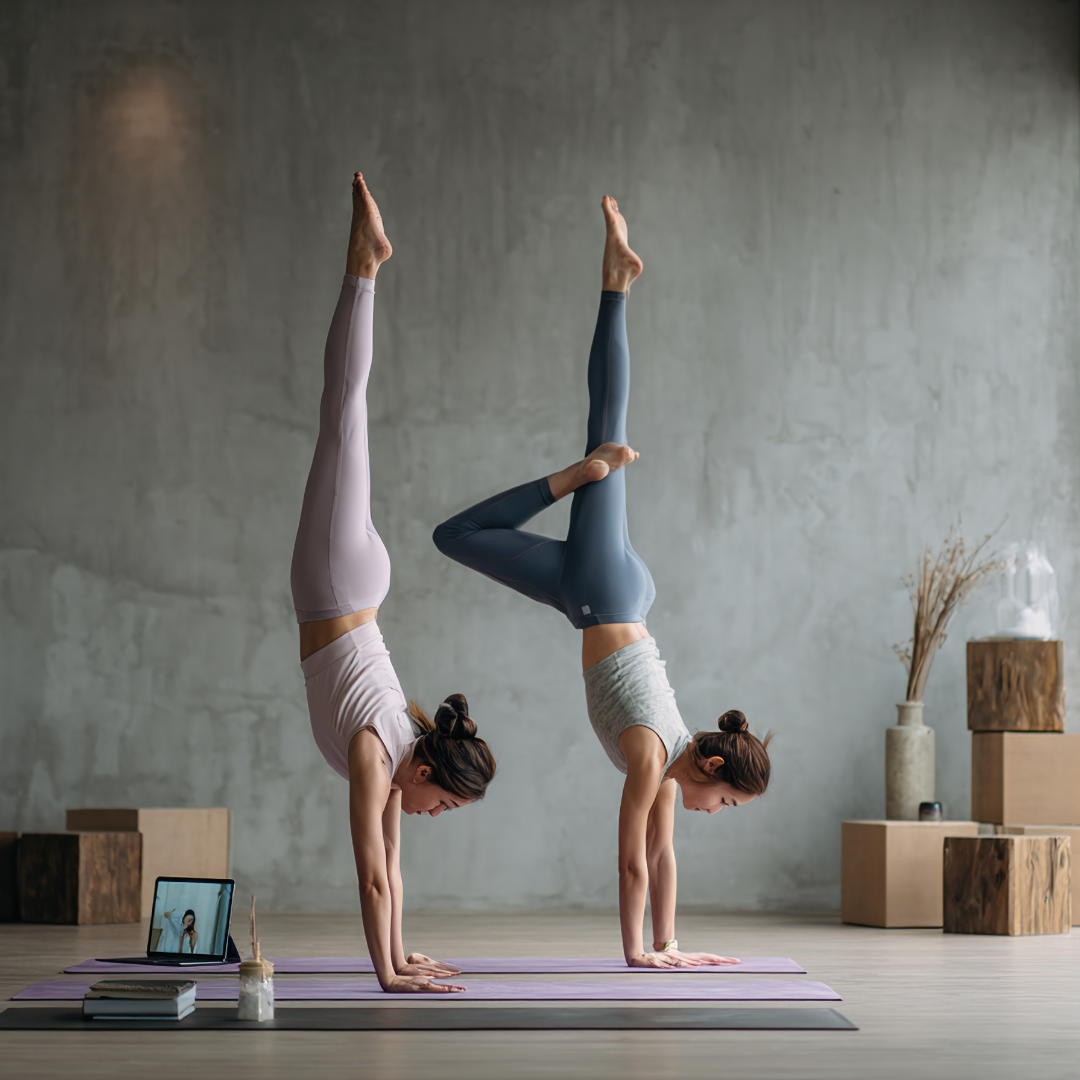
Asana yoga refers to yoga poses. This limb focuses on strength, stability, and comfort in the body. Practicing asana prepares the body to sit comfortably for breathwork and meditation while improving mobility and physical awareness.
4. Pranayama
Pranayama involves breath control and breathing exercises. Breath awareness helps regulate energy, calm the nervous system, and support emotional balance. This limb bridges the physical and mental aspects of yoga.
5. Pratyahara
Pratyahara teaches withdrawal of the senses. It helps reduce distractions and shift attention inward. This practice strengthens focus and prepares the mind for deeper concentration.
6. Dharana
Dharana is the practice of focused attention. It trains the mind to stay with a single object, thought, or sensation without wandering.
7. Dhyana
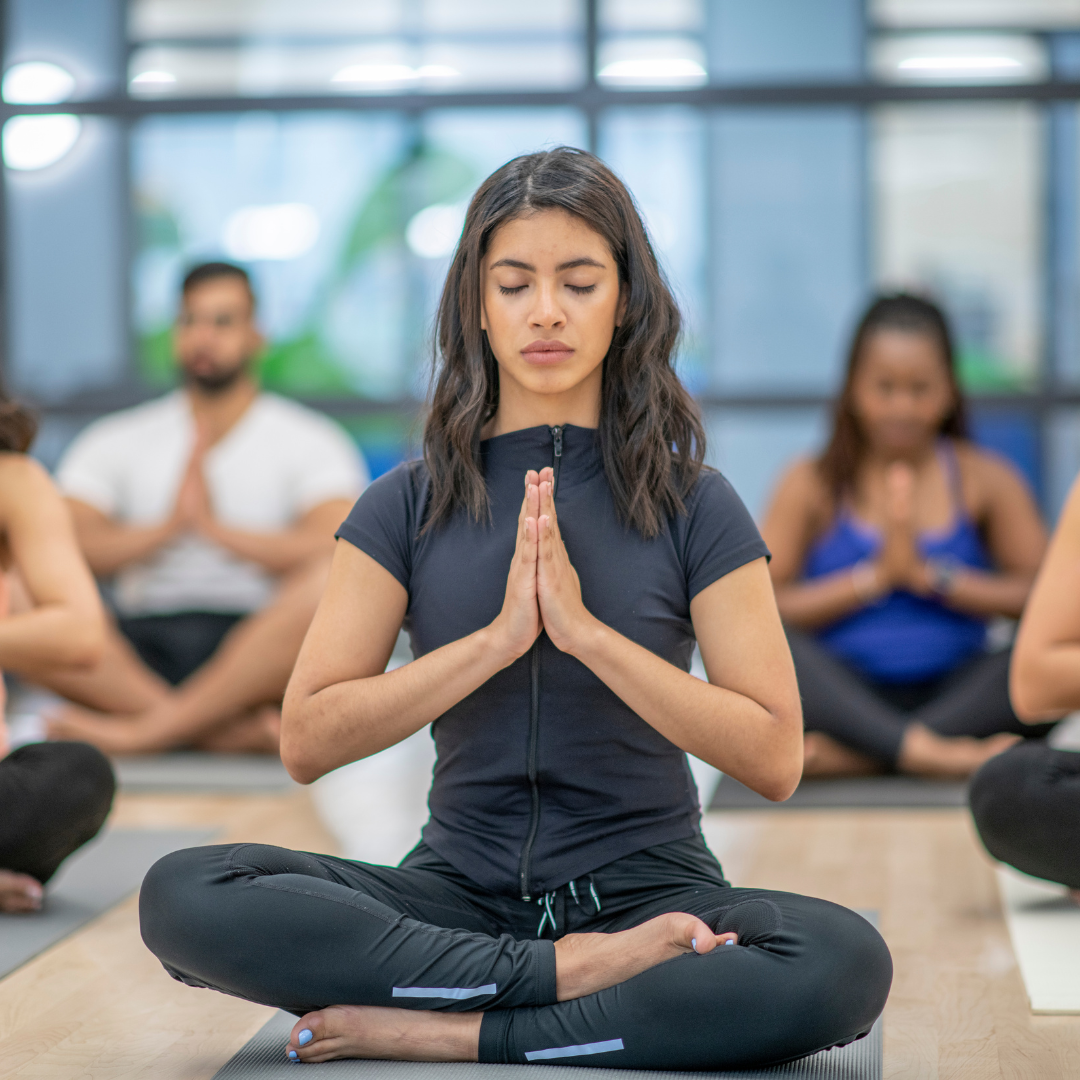
Dhyana is meditation. It involves sustained awareness and a steady flow of attention. Over time, meditation strengthens mental clarity and emotional stability.
8. Samadhi
Samadhi yoga represents deep absorption and unity. It reflects a state where the mind is fully present and free from distraction, leading to profound awareness.
How Do the Eight Limbs of Yoga Support Your Practice?
The Eight Limbs support yoga practice by creating balance between body, breath, and mind. Rather than focusing only on yoga poses, this system encourages integration.
The limbs help practitioners:
Build physical strength and flexibility through asana
Manage stress through pranayama
Improve focus through dharana
Deepen meditation through dhyana
Align actions with values through yamas and niyamas
When practiced together, these disciplines turn yoga into a lifestyle rather than a workout.
How to Practice the Eight Limbs Every Day
Practicing the Eight Limbs does not require hours of time or complex routines. Small, consistent actions can bring these principles into daily life, supporting yoga for mental health by encouraging mindfulness, emotional balance, and self-discipline.
Simple Daily Applications
Practice kindness and honesty through the yamas
Support self care and reflection through the niyamas
Move through yoga poses with awareness
Use breath to manage stress during the day
Reduce distractions when focusing on tasks
Spend a few minutes in meditation
Some people explore mindful movement styles like Somatic Yoga to deepen body awareness or turn to Yin Yoga for stillness and reflection. Both practices align naturally with the Eight Limbs philosophy.
Why the Eight Limbs Matter Beyond Postures
Modern yoga often emphasizes flexibility and strength, but the Eight Limbs remind practitioners that yoga is not limited to physical results.
Beyond postures, the Eight Limbs support:
Emotional regulation
Ethical decision making
Mental discipline
Self awareness
Long-term well being
Without these elements, yoga becomes incomplete. The Eight Limbs provide depth and purpose to every practice, whether it involves meditation, breathwork, or physical movement similar to pilates exercises that build strength and flexibility.
Why the Eight Limbs of Yoga Are Still Relevant Today
In today’s fast paced world, people face constant stress, distractions, and pressure. The Eight Limbs offer practical tools that remain relevant across time.
They help individuals:
Manage stress through breath and meditation
Build healthy habits through discipline
Improve relationships through awareness
Balance activity with rest
Stay grounded in daily challenges
These teachings provide structure in a world that often feels overwhelming, making them valuable for modern life.
How the Eight Limbs Fit Into the Broader Yoga System
The Eight Limbs form the backbone of classical yoga. They influence many modern yoga styles and approaches, including meditation based practices and movement focused disciplines.
Within the broader yoga system, the limbs:
Create a clear path for growth
Balance physical and mental development
Support consistency and sustainability
Encourage mindful living beyond class
Rather than replacing modern yoga styles, the Eight Limbs provide meaning behind them.
How Beginners Can Start With the Eight Limbs of Yoga
Beginners may feel unsure about where to begin, but starting with the Eight Limbs can be simple and accessible.
Beginner Friendly Steps
Learn basic yoga poses and breathing exercises
Practice awareness in daily actions
Reflect on values through yamas and niyamas
Add short meditation sessions
Focus on consistency rather than perfection
As experience grows, the limbs naturally become more integrated into everyday life.
Conclusion
The 8 limbs of yoga offer a complete guide for living with balance, clarity, and intention. They expand yoga beyond poses and invite practitioners to explore ethical living, breath awareness, focus, and meditation. By understanding and applying the Eight Limbs, yoga becomes a lifelong practice that supports physical health, mental clarity, and personal growth. Whether you are new or experienced, embracing these principles while practicing comfortably in suitable attire like yoga tops women prefer creates a strong foundation for meaningful yoga practice.